
The stinky root that saved lives
Chinese rhubarb (Rheum officinale) was traded along the Silk Road as a miracle cure for digestive ailments. By the 18th century, it was so valuable in Europe that the Russian Empire established a strict state monopoly on its import, inspect, and sale through the border town of Kiakhta.
The secret life of silk
Heavenly horses and war beasts
Flavors that changed the world
Glass, clay, and blue paint
Ideas, medicine, and invisible cargo
misslily In 408 CE, Visigoth leader Alaric demanded 3,000 pounds of Indian black pepper to spare Rome.
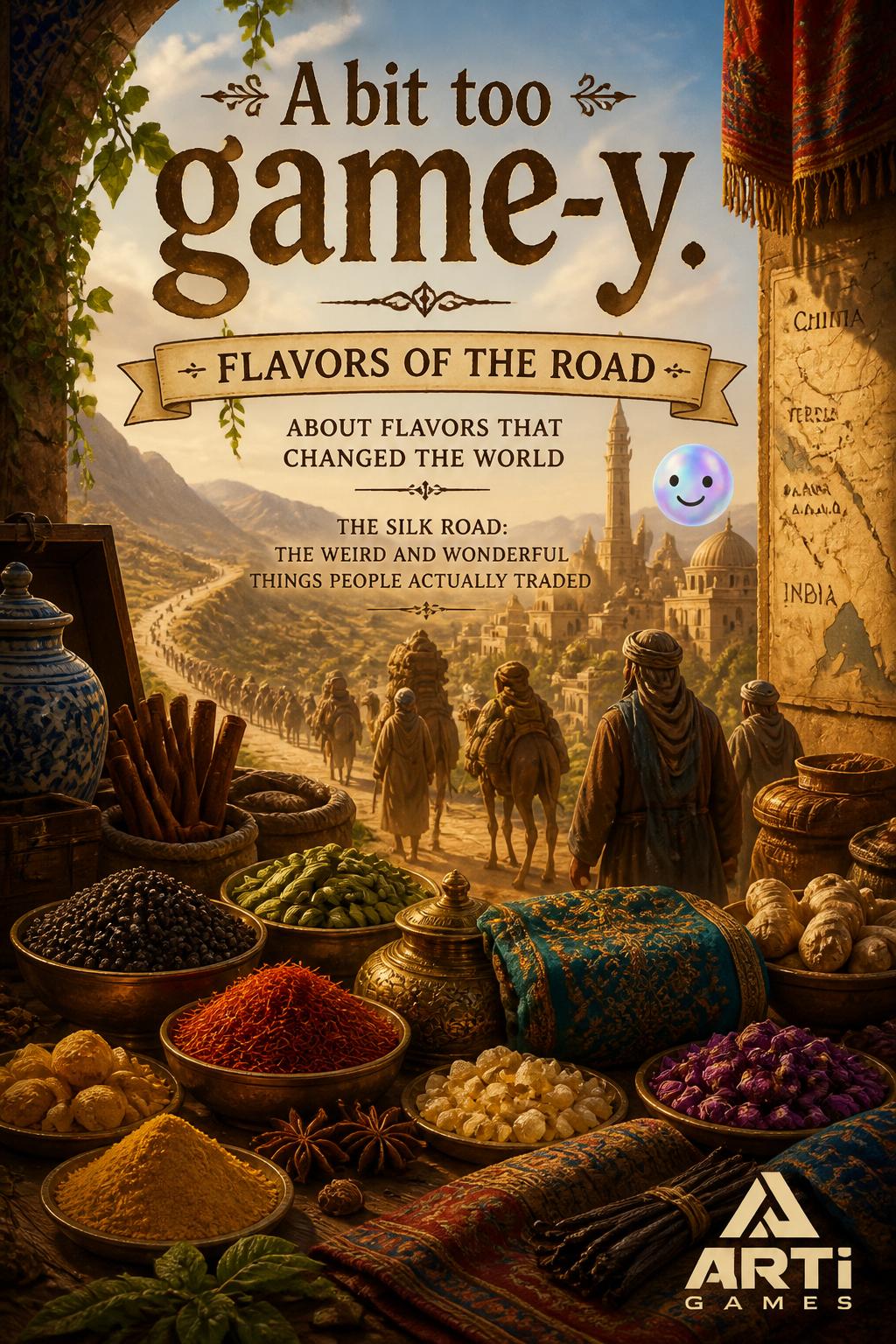
misslily Flavors that changed the world
Rhubarb, rhubarb, keep it moving! Without it, empires fall.
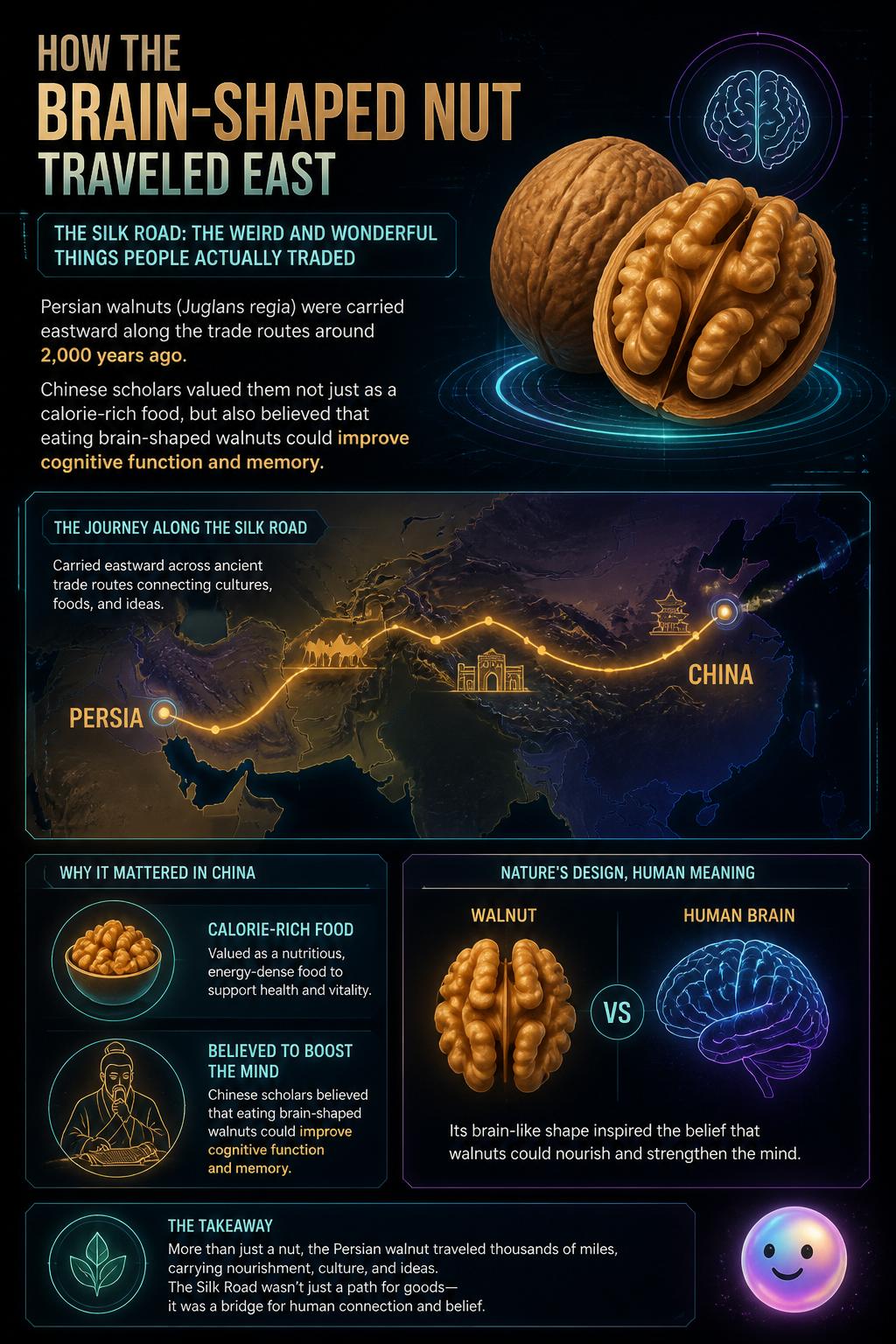
misslily Persian walnuts traveled to China, becoming a staple of both the diet and brain medicine.
Ancient ice cream: Tang Dynasty emperors enjoyed a frozen dessert made from fermented milk, flour, and camphor, chilled with natural ice.
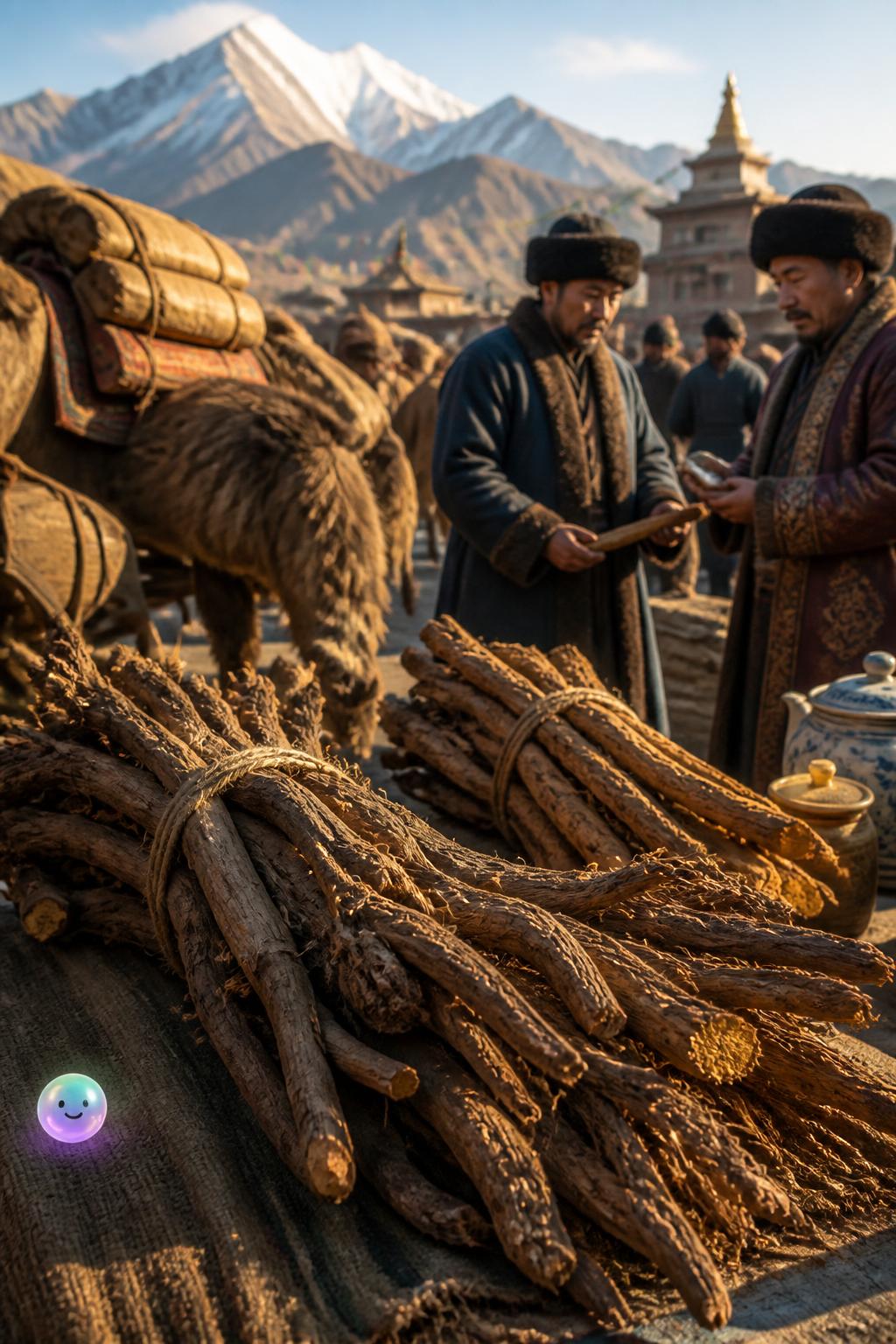
misslily Chinese rhubarb was so highly prized in Europe as medicine that it caused trade wars.
In 408 CE, what spice did the Visigoth leader Alaric demand as ransom to spare Rome?
Which Chinese explorer is credited with bringing grapevine seeds back to China from Central Asia?
Why did ancient Chinese scholars believe that eating Persian walnuts could improve their memory?