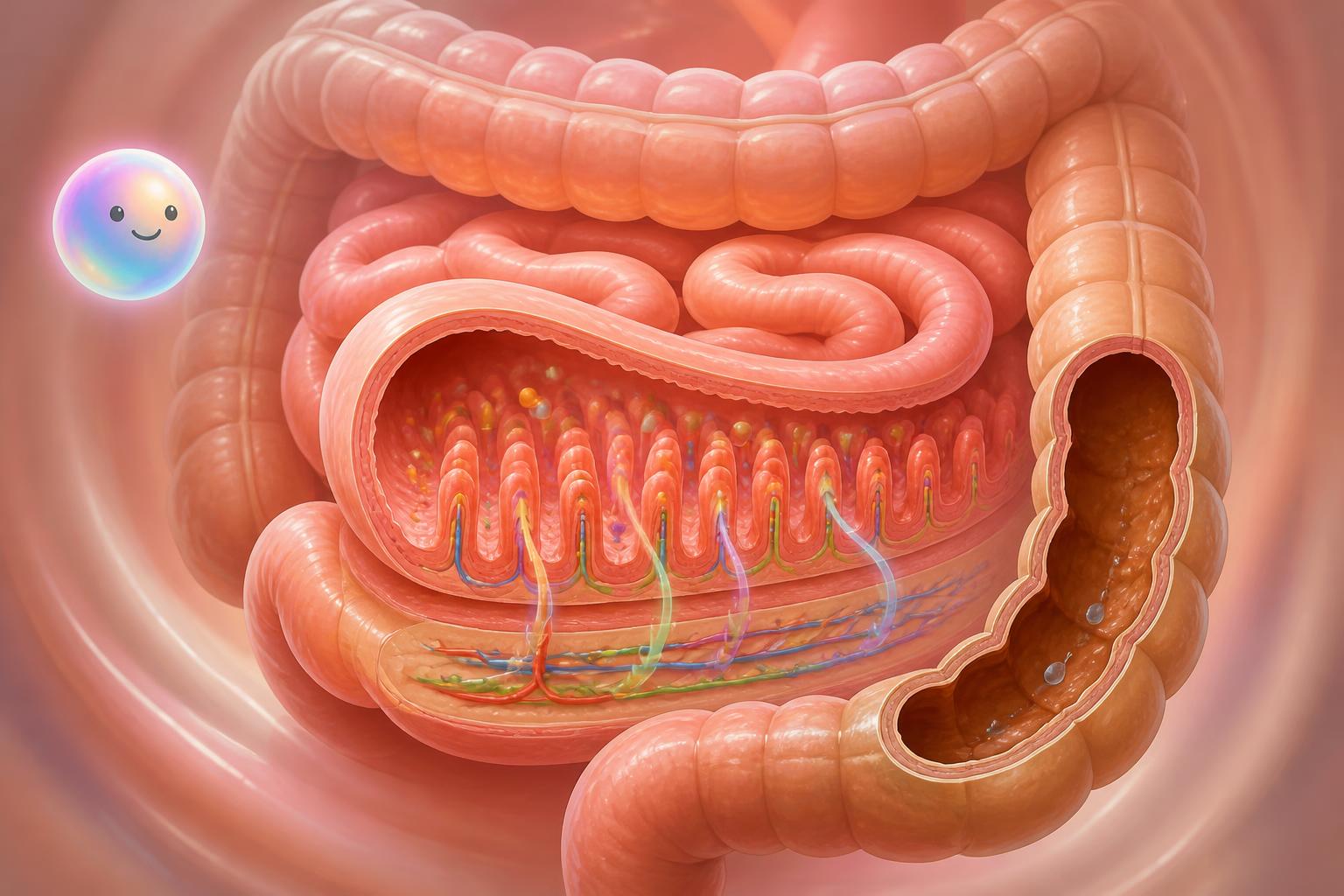
The small intestine and its microscopic forests
The chemistry of nutrient capture
The large intestine as the recycling plant
The bustling world of the microbiome
YOUR GOAL
Master of Inside the human intestines
artiteacher The Large Intestine
Sucking up the water, / Feeding my biome, / Making vitamin K!
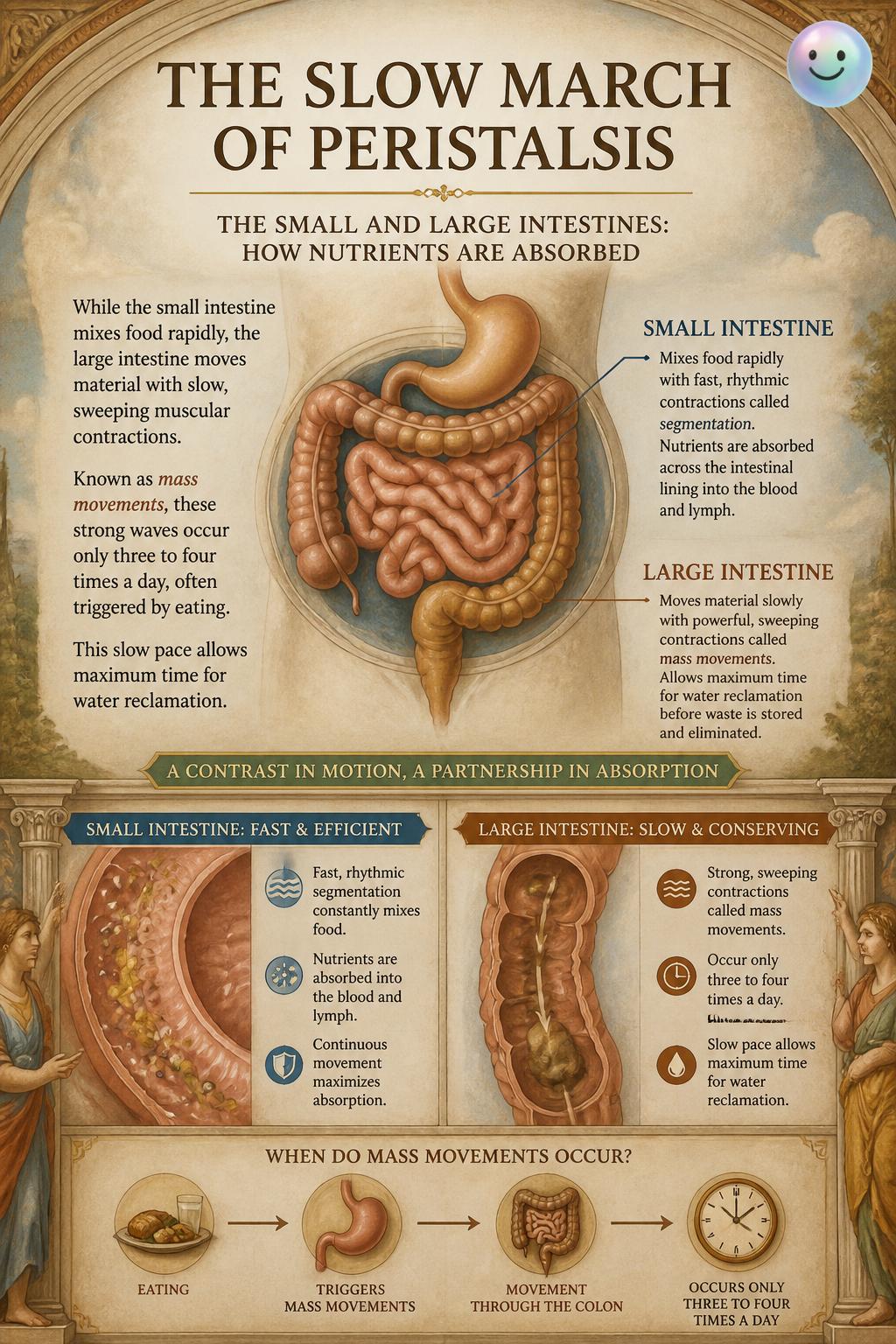
artiteacher Rhythmic waves of muscle contractions slowly push waste toward elimination over twelve to forty hours.
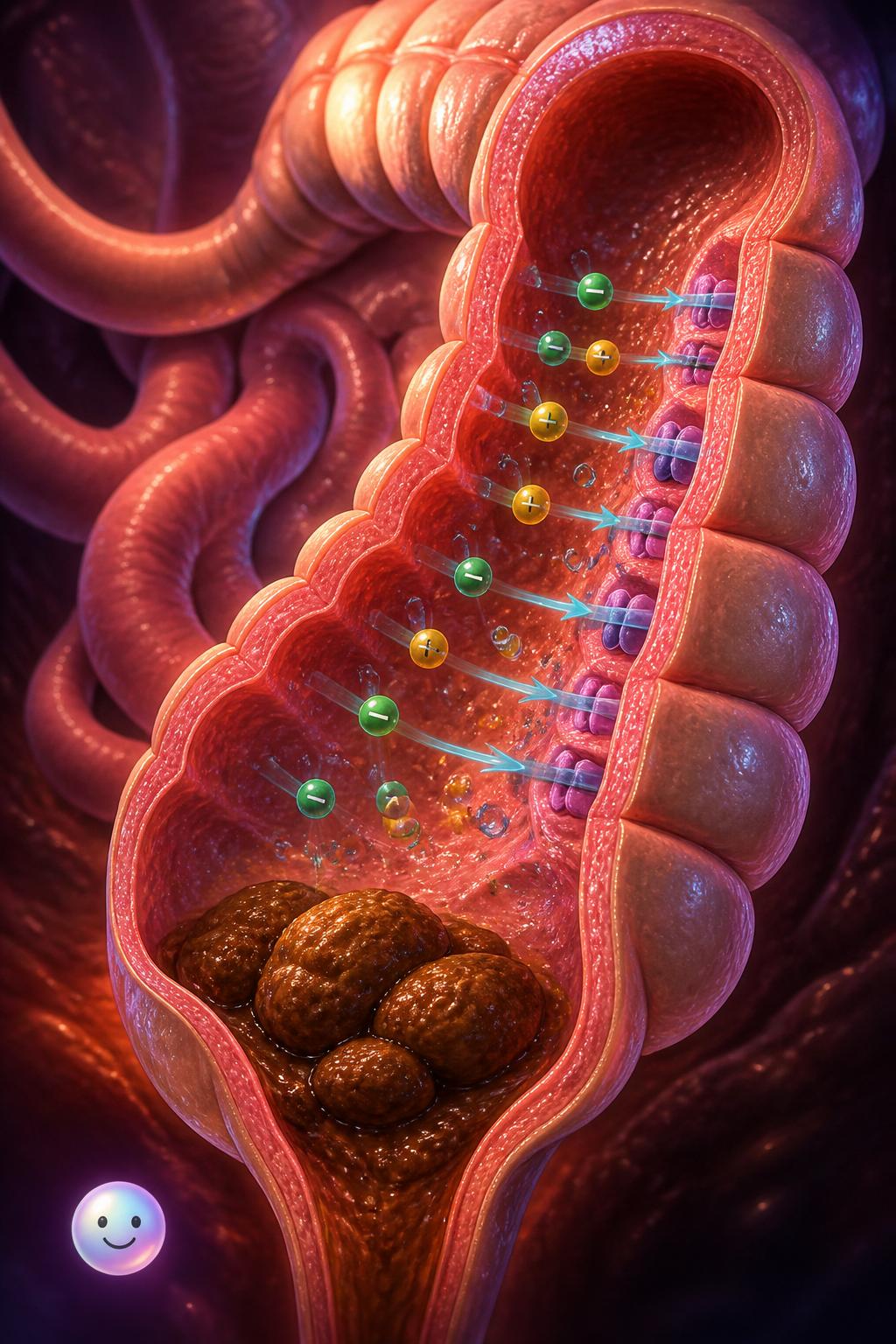
artiteacher Active transport pumps sodium and other essential electrolytes back into the bloodstream from waste.
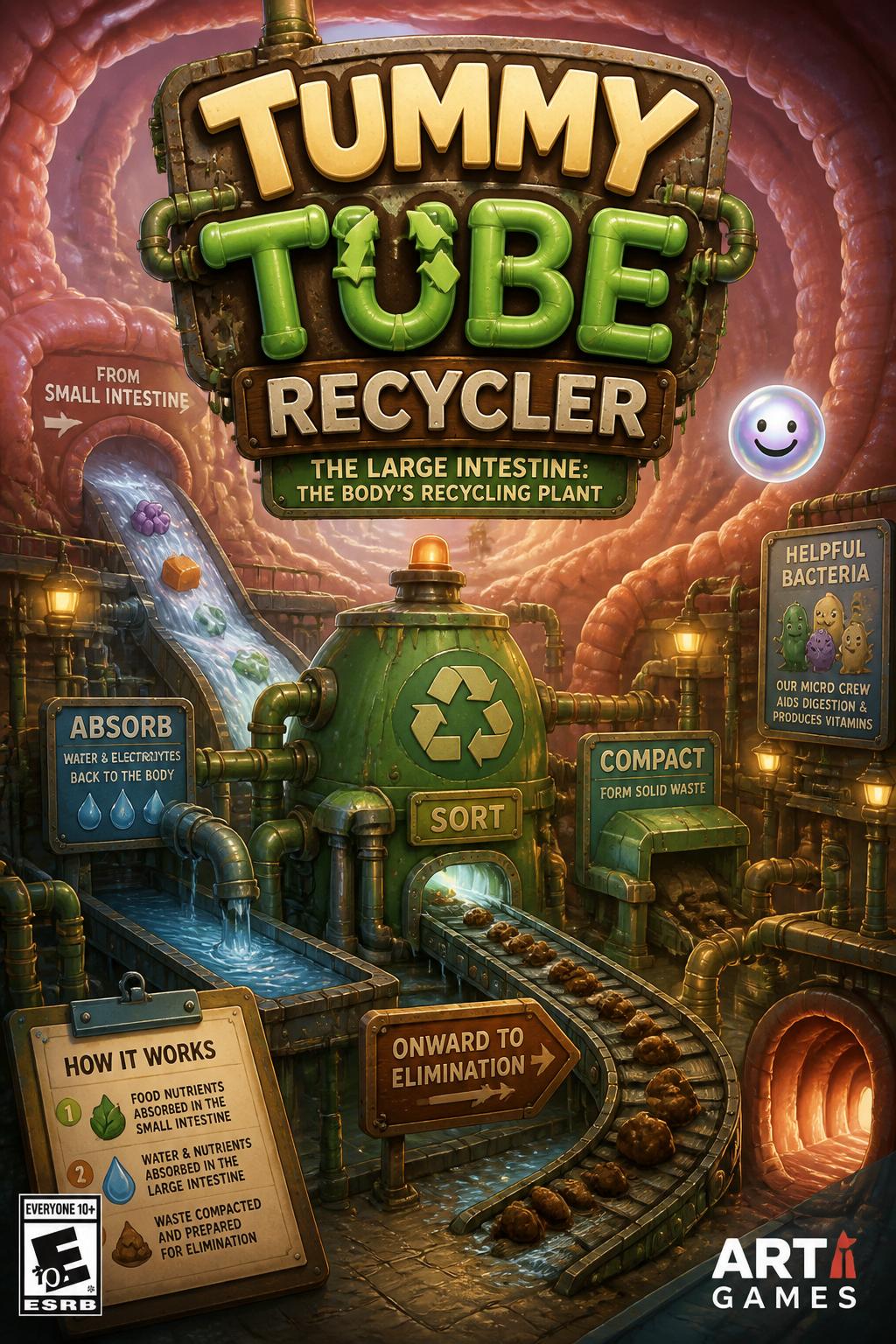
artiteacher Sort nutrients and water into the bloodstream to discover how your intestines absorb fuel.
Appendix reboot: Your appendix acts as a safehouse, storing a backup supply of good gut bacteria to repopulate your digestive tract after a severe stomach bug.
The part of the large intestine that extends from the cecum to the rectum. Trillions of resident bacteria in this organ synthesize essential vitamins like B and K.
Which process describes the slow, wave-like muscular contractions that push waste through the colon?
What is the primary substance reclaimed by the large intestine from indigestible food?
According to modern research, what is the beneficial function of the human appendix?
Which essential electrolytes are actively pumped back into the blood by the large intestine?
What triggers the strong muscular waves, or mass movements, in the large intestine?
How long does it typically take for waste to travel through the large intestine?
What happens to the body if the large intestine fails to absorb enough water from waste?