BETA
YOUR GOAL
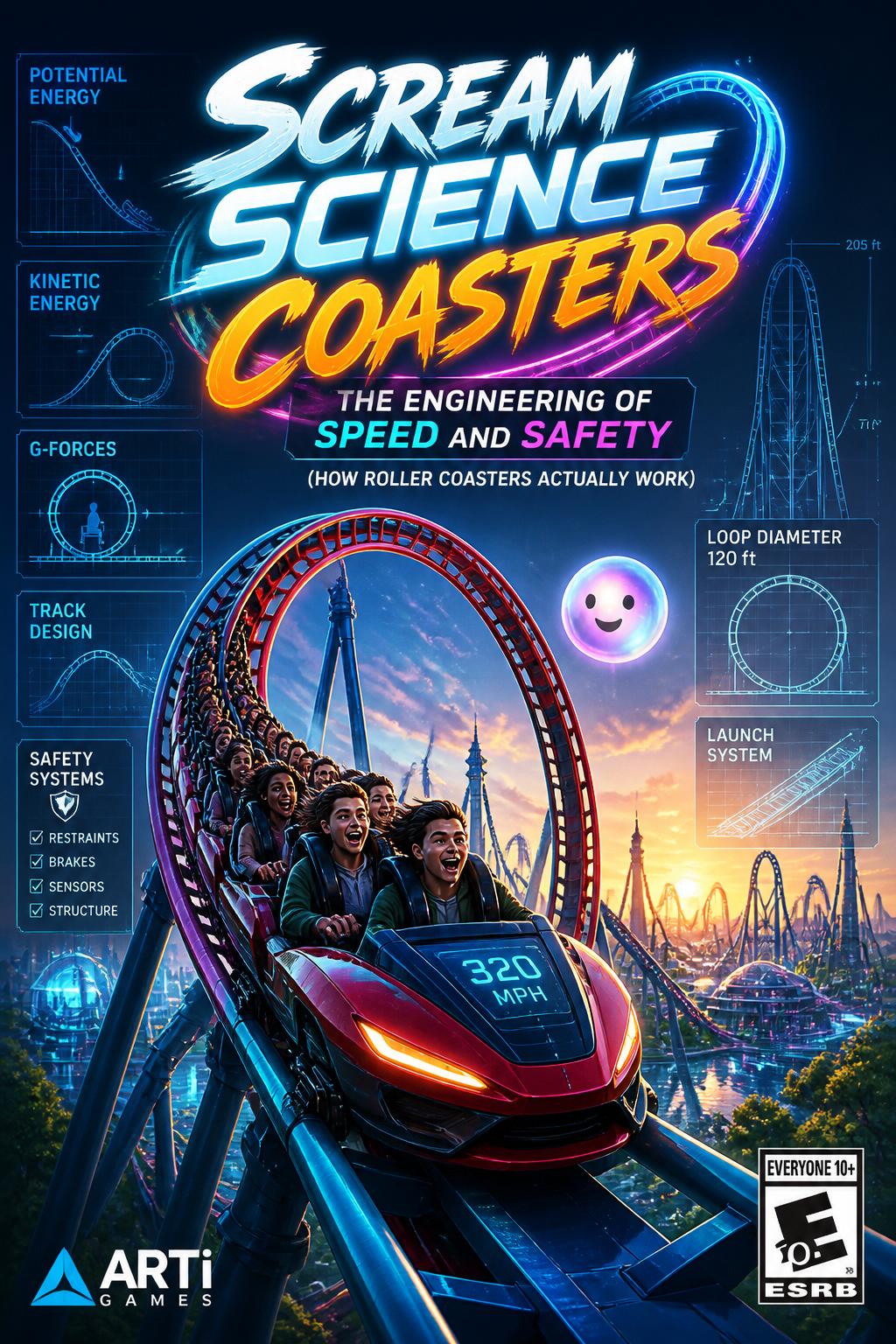
Master of How roller coasters work
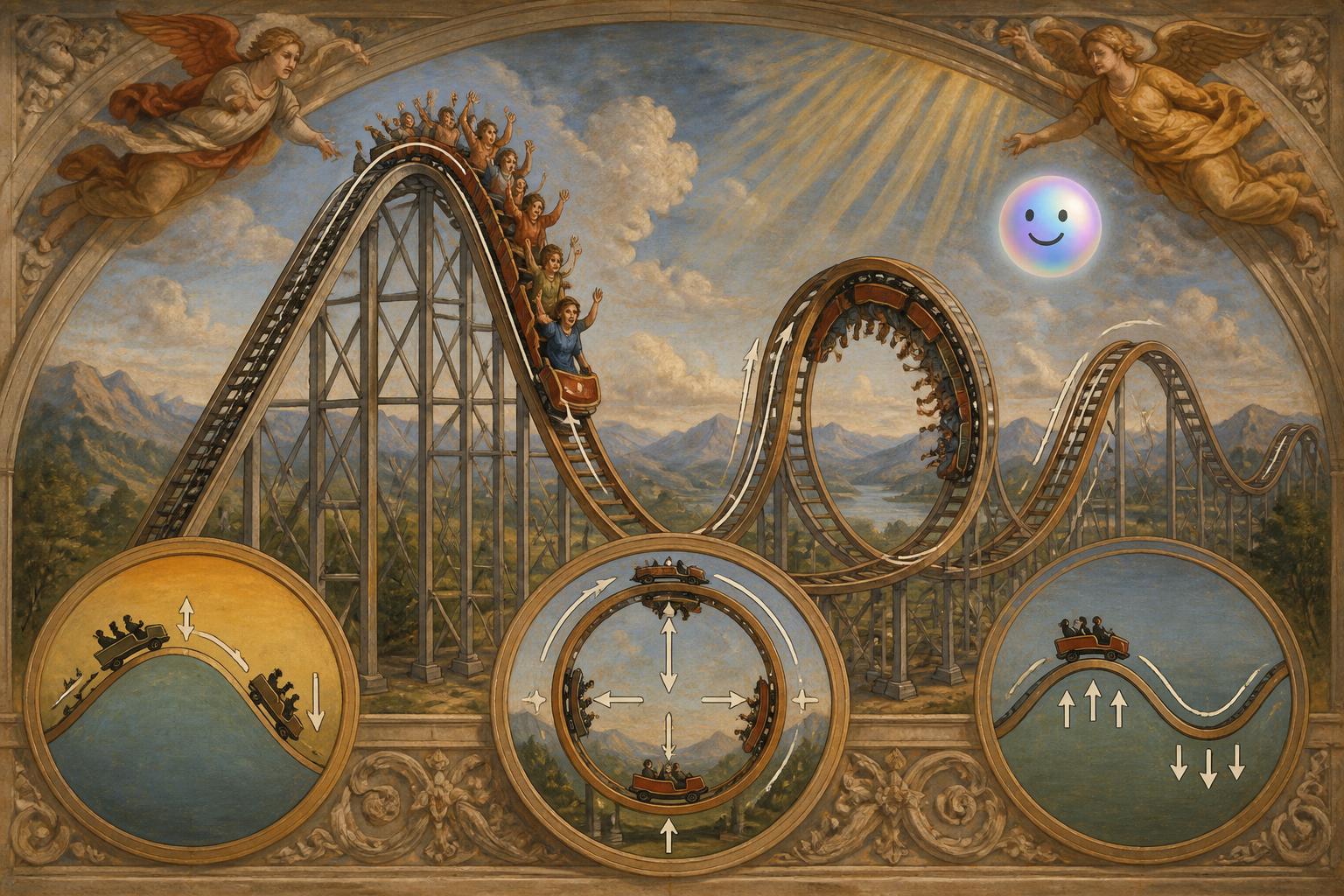
artiteacher Drag loops and drops into place to discover how gravity and momentum power the ride.
artiteacher Roller Coaster Engineering
To the top we rise, Gravity takes over now, For a wild, safe ride!
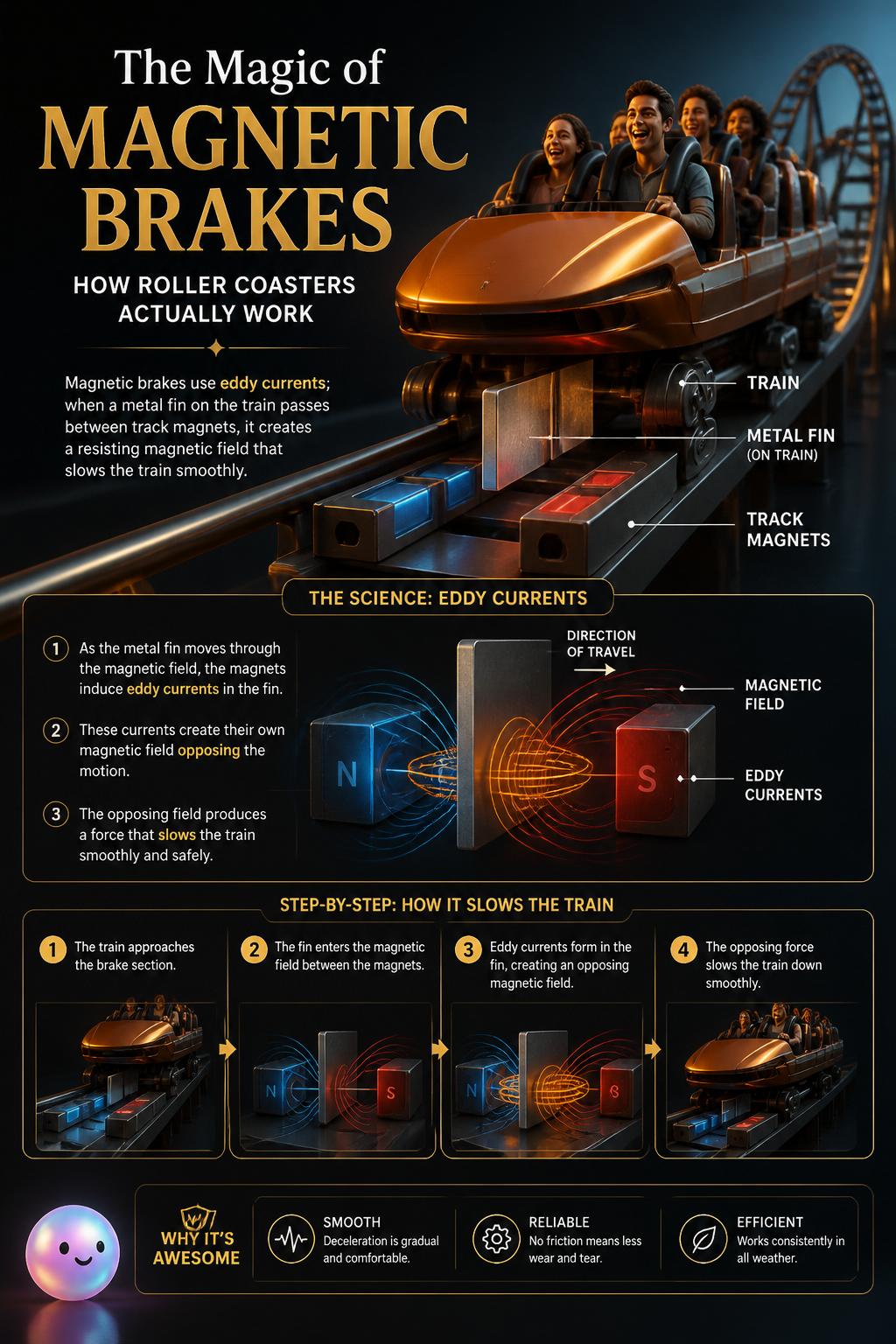
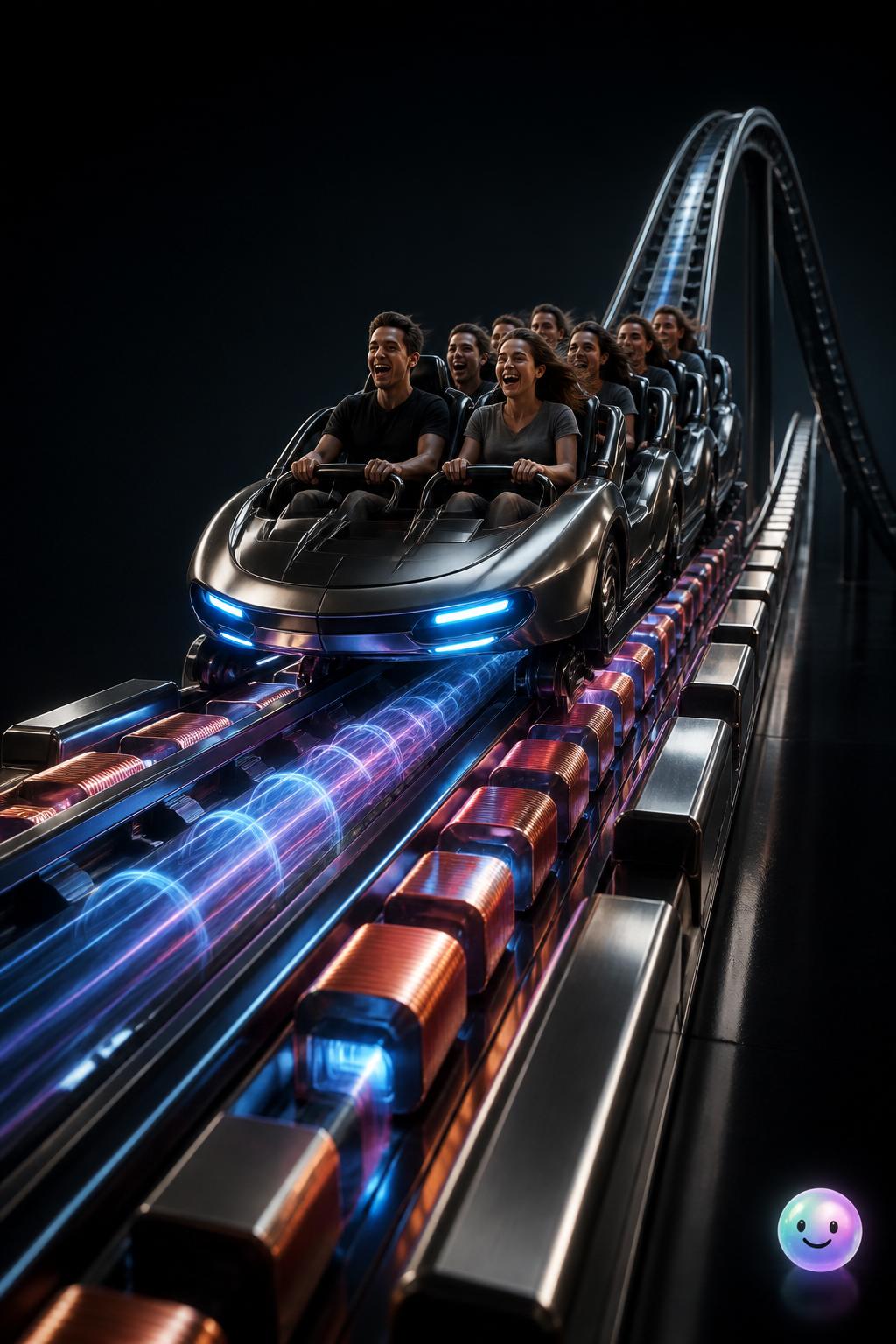
Magnetic brakes: Magnetic brakes on modern roller coasters require absolutely no electricity to function, making them fail-safe even during power outages.
Which set of wheels keeps a roller coaster car from flying off the track when upside down?
What technology uses alternating magnetic fields to rapidly launch roller coasters?
What physical phenomenon creates the braking force in magnetic roller coaster brakes?
What is the primary advantage of wooden roller coasters over steel ones for enthusiasts?
What safety device on a roller coaster lift hill makes the classic 'clack-clack-clack' sound?
What material is typically used for the running rails of modern, highly twisting roller coasters?
Why do magnetic brakes on roller coasters still work perfectly during a total power outage?
What type of wheel keeps the roller coaster train centered on the track, preventing sideways sliding?