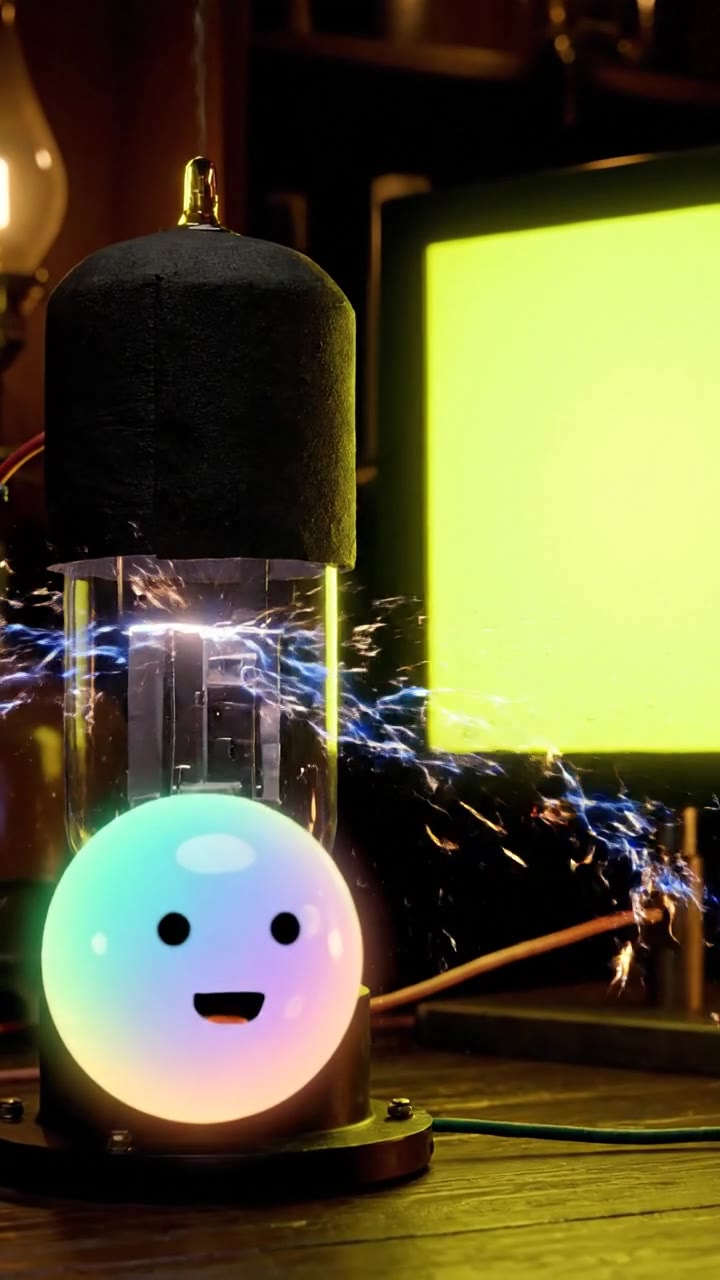
X-rays and the glowing screen
On November 8, 1895, German physicist Wilhelm Röntgen was testing vacuum tubes in a dark room. He noticed a nearby cardboard screen coated with barium platinocyanide began to glow, even though his tube was covered. He soon realized these unknown "X" rays could pass through human flesh to photograph bones.
Accidents that saved millions of lives
Happy mishaps in the kitchen and home
Sticky situations that created modern materials
Failed experiments that became childhood classics
misslily In 1928, Alexander Fleming discovered penicillin from mold on a discarded petri dish, saving millions of lives.
misslily In 1895, Wilhelm Röntgen accidentally discovered X-rays when a covered tube made a nearby screen glow.
misslily Wilson Greatbatch accidentally installed the wrong resistor, creating rhythmic electrical pulses that led to the implantable pacemaker.
misslily Discovery of Penicillin
A messy petri dish, / fluffy mold moves in, / saving millions of lives!

misslily A physicist experimenting with cathode rays noticed a mysterious glow that revealed the bones in his hand.
Penicillin production: During World War II, scientists used a moldy cantaloupe from a market in Peoria, Illinois, to mass-produce penicillin, increasing the drug's yield by 200 times.

misslily An engineer grabbed the wrong electrical component and ended up inventing the implantable cardiac pacemaker.
An organic compound obtained from certain molds and used as an antibiotic to treat bacterial infections. Alexander Fleming accidentally discovered the substance in 1928 after mold contaminated a petri dish in London.
Which electrical component did Wilson Greatbatch accidentally use to invent the pacemaker?
Which gas did dentist Horace Wells observe at a public demonstration before using it for surgery?
What type of bacteria was being destroyed by the mold in Alexander Fleming's petri dish?
What was the original profession of Horace Wells, the pioneer of surgical anesthesia?
In which decade was the first successful implantable cardiac pacemaker placed in a human patient?
