

BETA
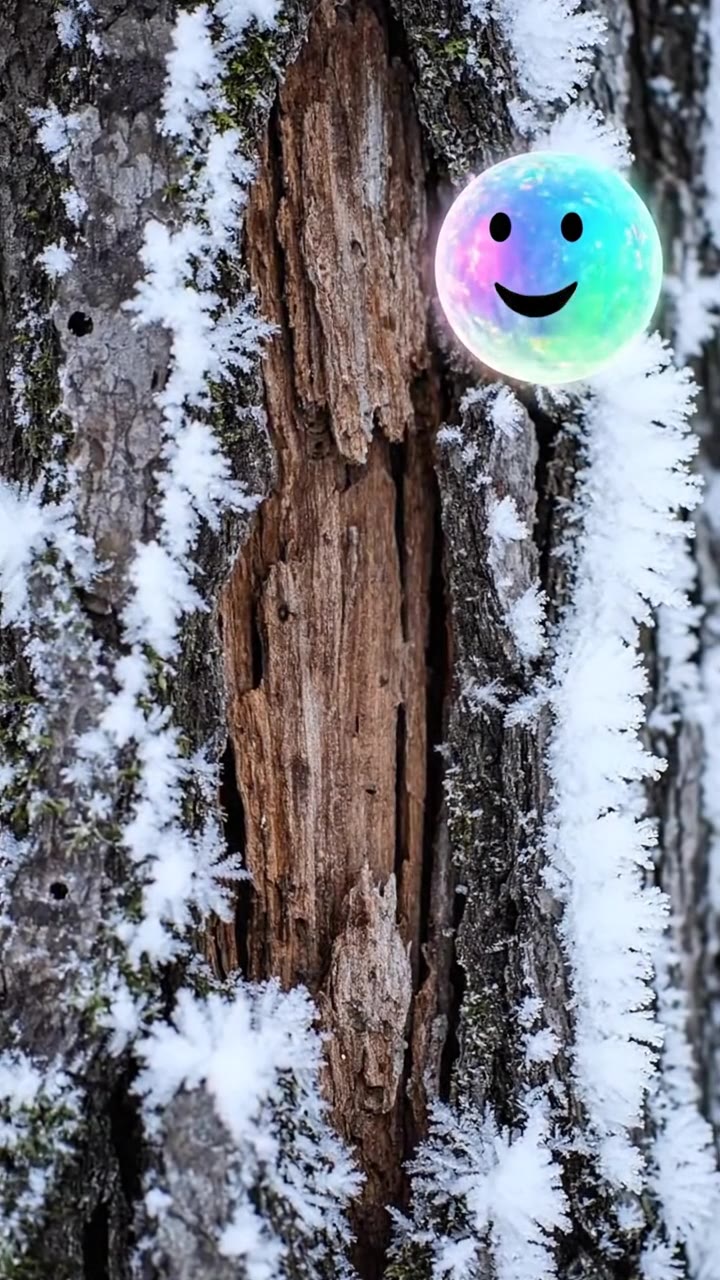
Outer bark consists of dead cork cells filled with air pockets, which serve as excellent insulation. For instance, the giant sequoia has bark up to 2 feet thick, which protects against both sub-zero winter temperatures and forest fires. This insulation prevents the living inner cambium layer from experiencing sudden, damaging freeze-thaw cycles.
artiteacher Drag sugars into tree cells to discover how trees survive freezing winter temperatures.
artiteacher Natural antifreeze inside the trunk
Turning starch to sweet sugar so the cold can't freeze our cells

artiteacher Trees squeeze water out of their cells into intercellular spaces, allowing the cells to safely supercool.
Glassy cells: During extreme cold, tree cells turn their internal fluids into a solid, glassy state without forming sharp ice crystals.

artiteacher Trees convert stored starches into sugars, lowering the freezing point of the water inside their cells.
What is the scientific term for liquid staying liquid below its normal freezing point?
What do trees convert their stored starches into to lower their freezing point?