Chapter 1
The Heart of the Korean Table
Chapter 2
The Magic of Korean Street Food
Chapter 3
Grilling and Social Dining
Chapter 4
Balance and Healing Ingredients
YOUR GOAL
Master of The colors of korean food
Ch 1 · The Heart of the Korean Table

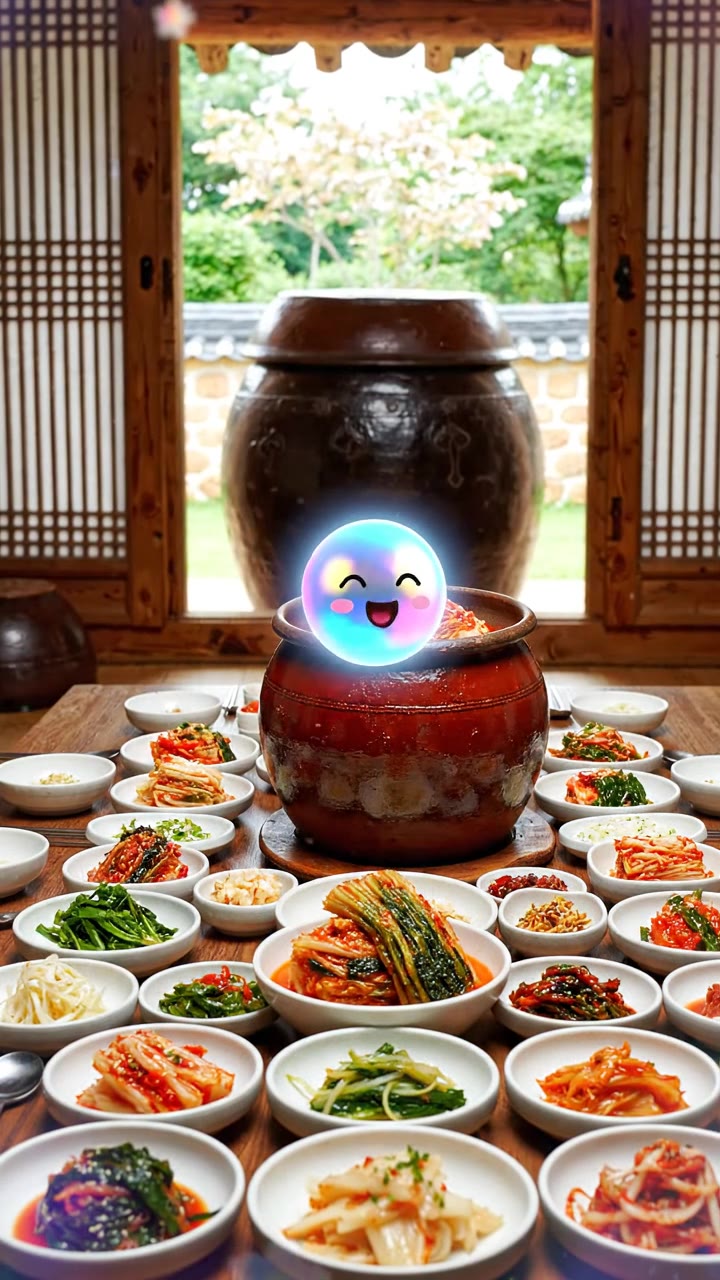
federico Korean Table Heart
Every Korean meal, it just ain't complete, Without kimchi's kick, both sour and sweet!

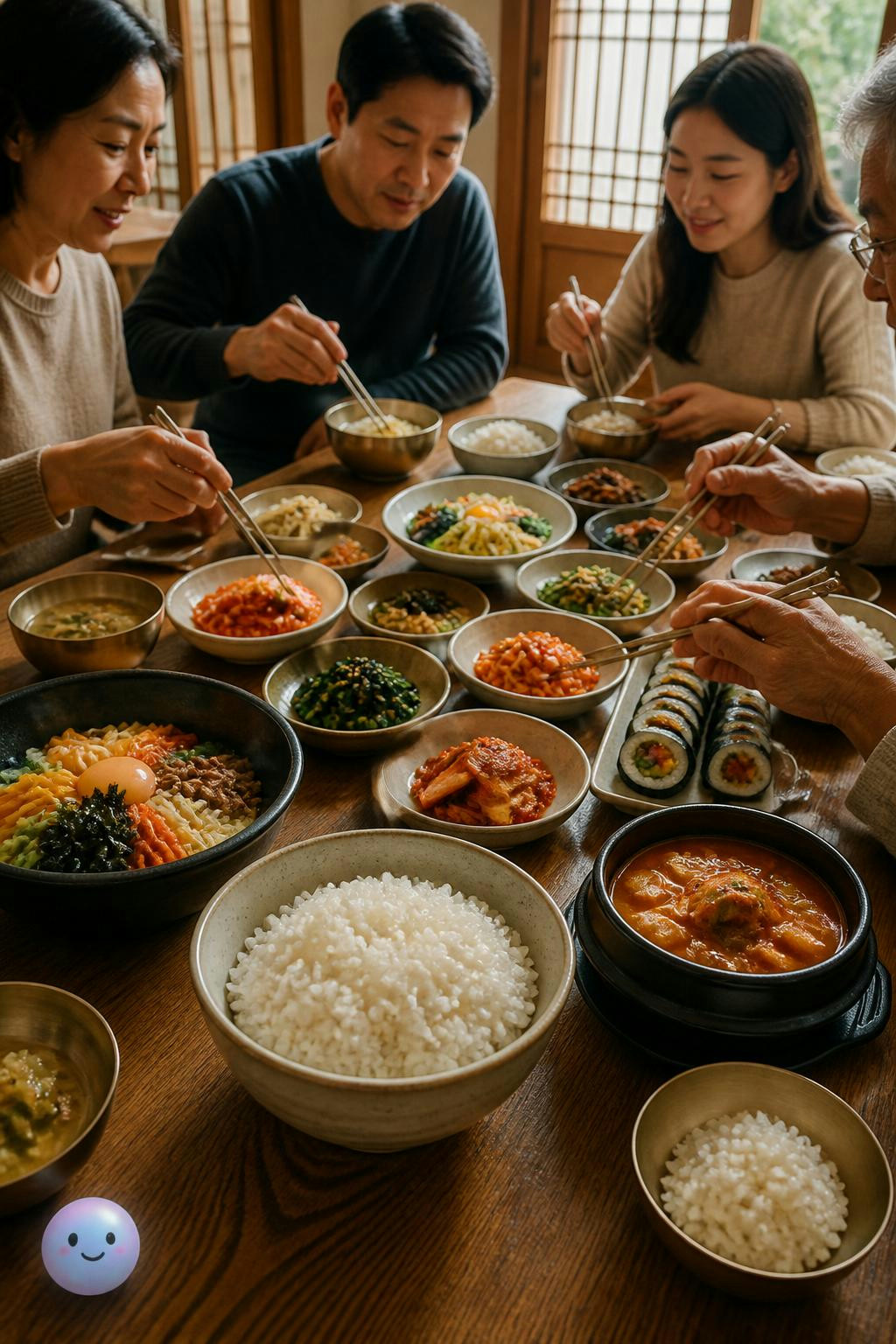
galleta Explore how rice serves as a global culinary staple, cultural symbol, and nutritional powerhouse rather than just a simple side dish.
BETA
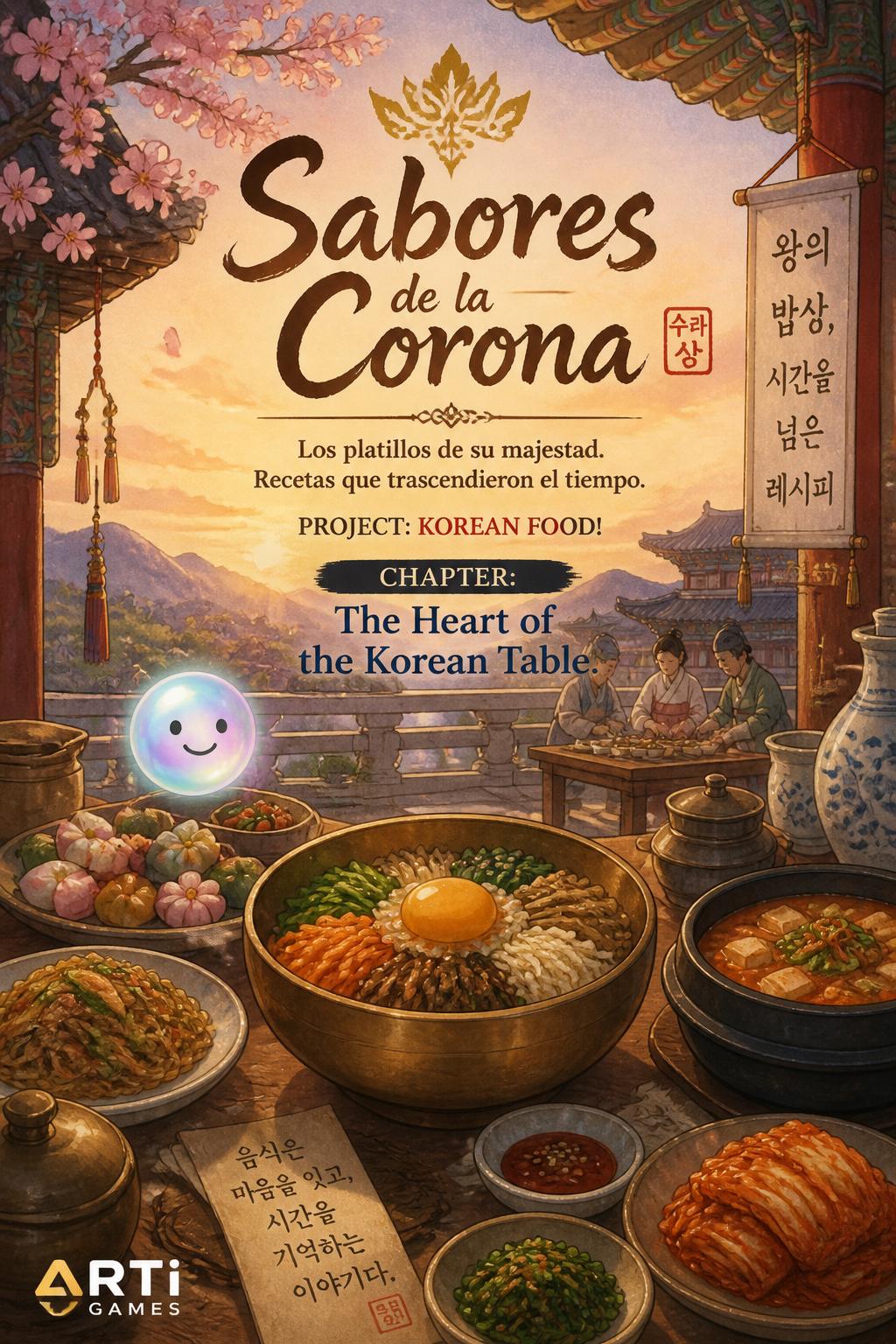
galleta Pon a prueba tus conocimientos con este juego sobre las recetas reales que hicieron historia. ¿Podrás identificar los platillos de su majestad?
Fun Fact
Kimchi espacial: Científicos coreanos usaron radiación para eliminar bacterias de este plato tradicional, evitando su fermentación excesiva en el espacio y permitiendo que los astronautas lo disfrutaran.
Glossary
Kimchi espacial (sustantivo)
Versión esterilizada con radiación para eliminar bacterias y gases peligrosos en gravedad cero. Mantiene su sabor tradicional vivo en el cosmos, demostrando que este ícono coreano no conoce límites terrestres.
Versión esterilizada con radiación para eliminar bacterias y gases peligrosos en gravedad cero. Mantiene su sabor tradicional vivo en el cosmos, demostrando que este ícono coreano no conoce límites terrestres.
Quiz
En la gastronomía coreana, ¿qué representa el concepto del "Obangsaek" (cinco colores tradicionales) que se observa en platos como el bibimbap?
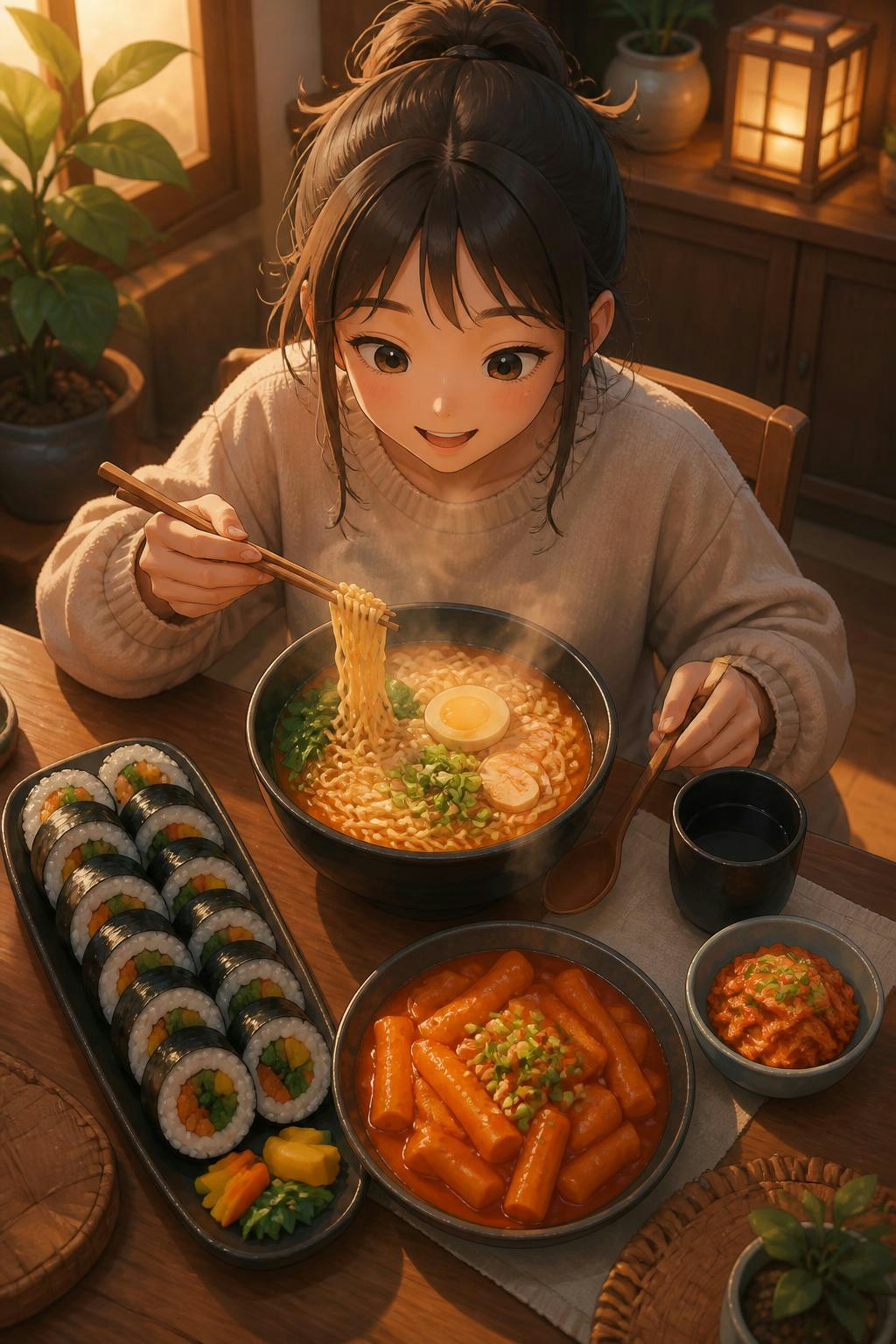


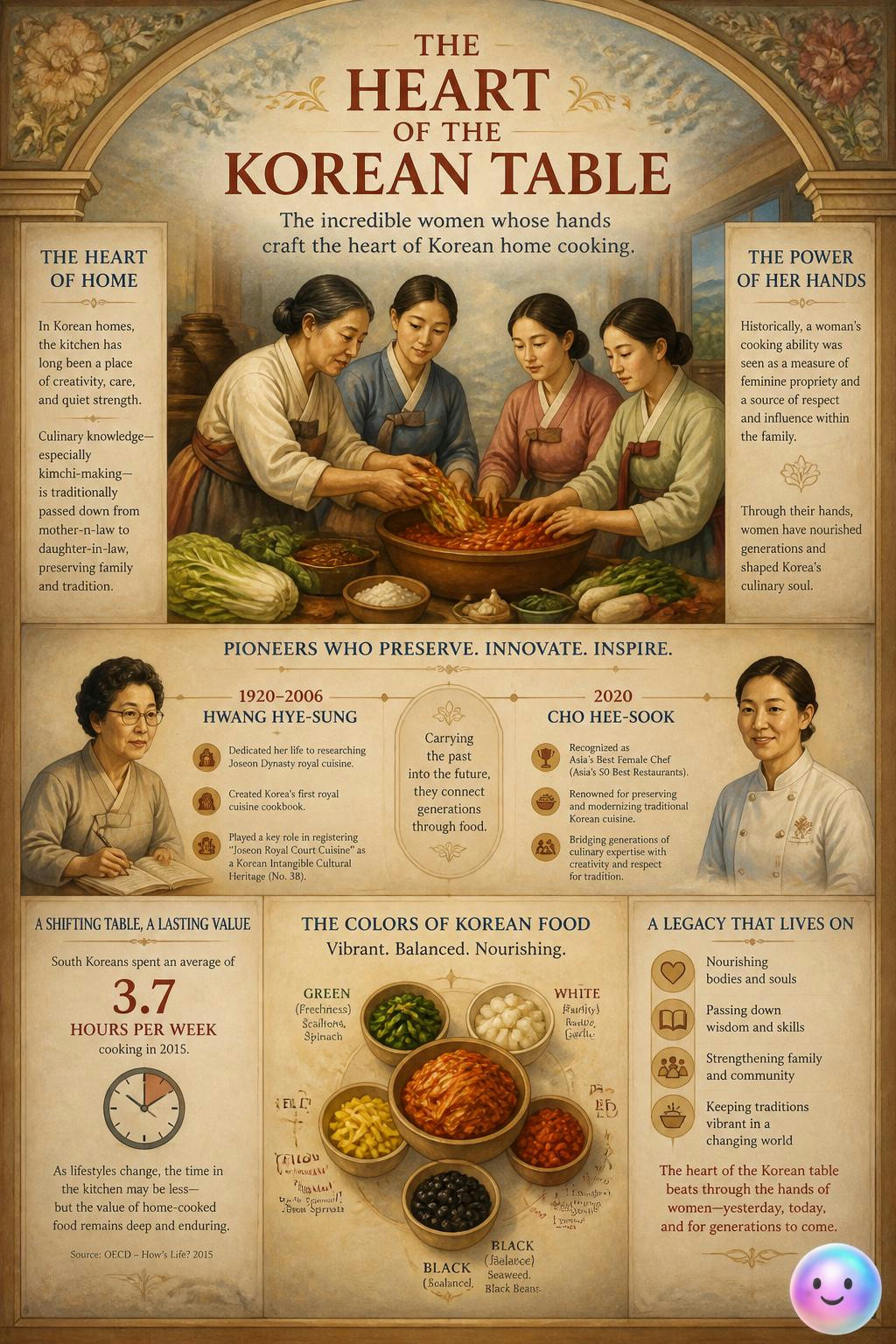
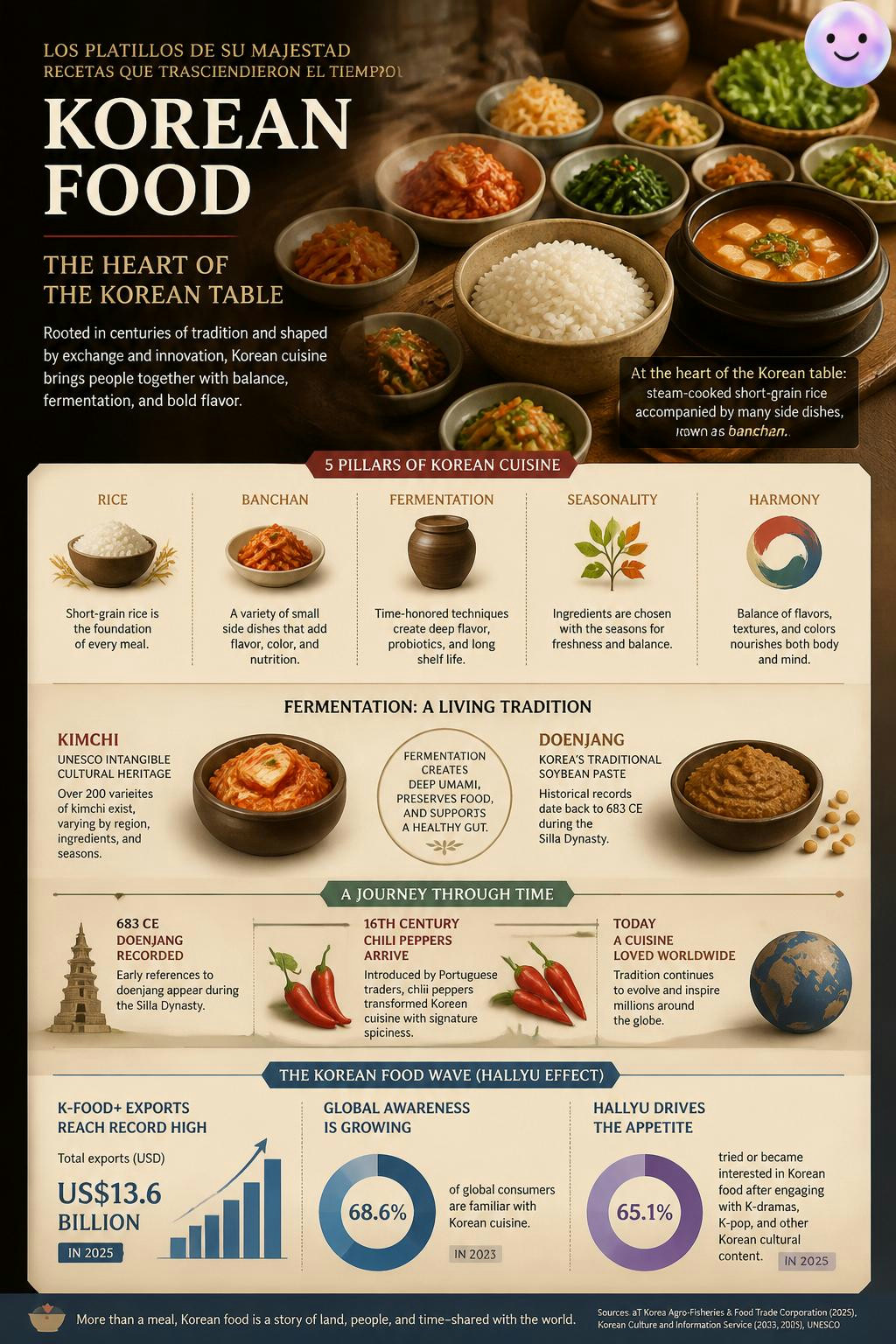
b134340 Discover son-mat, the 'hand taste' defining Korean cuisine. Learn how love and tradition shape every dish in this beautiful visual infographic guide.
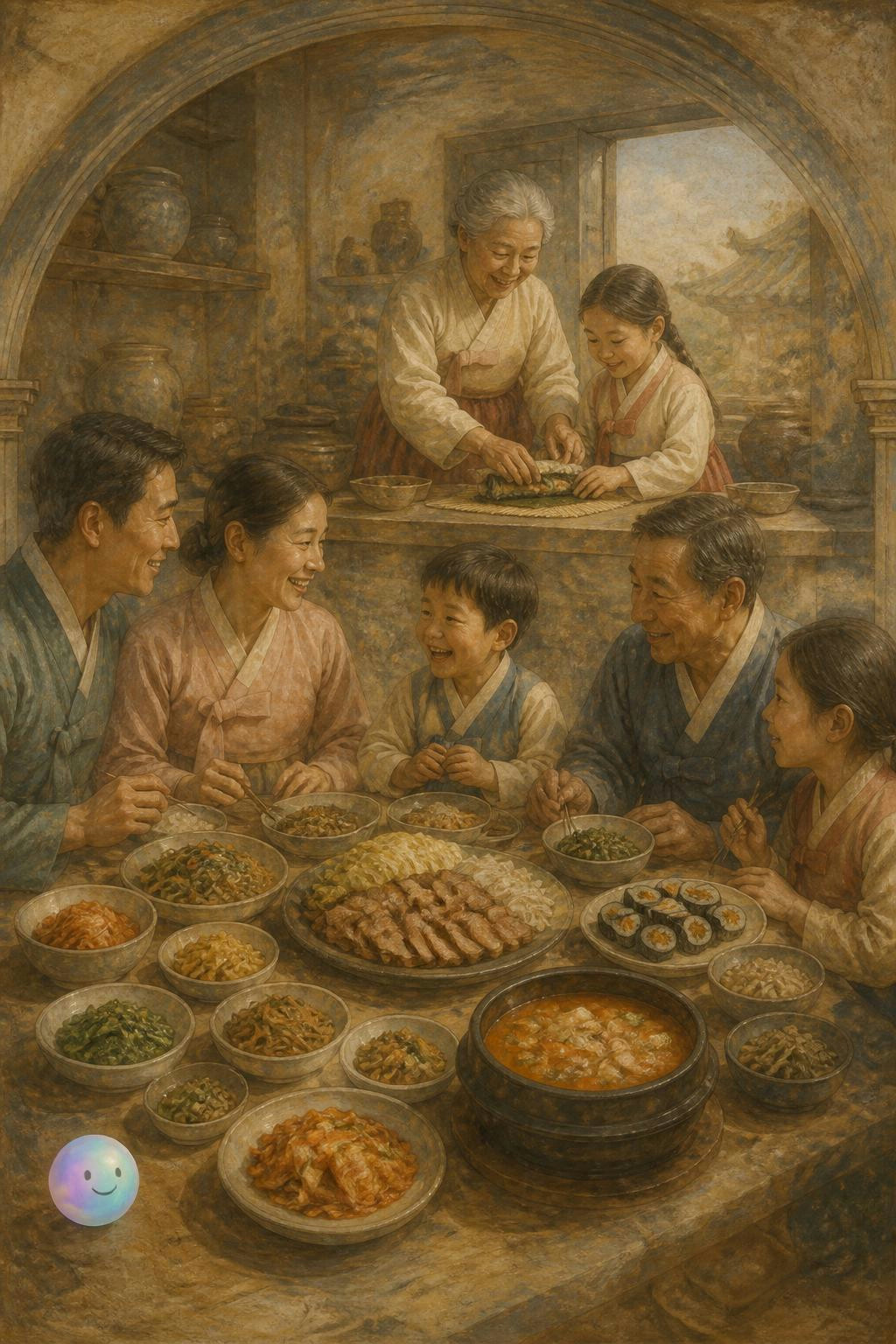
b134340 Descubre cómo una receta coreana tradicional transmite la historia y cultura de generaciones. ¡Explora el legado de su gastronomía en imágenes!

Fun Fact
Korean table colors: Traditional Korean meals feature five specific colors representing natural elements, designed to bring nutritional balance and harmony to the shared family table.
Glossary
obangsaek (noun)
The traditional Korean color theory that uses five colors—white, black, blue, yellow, and red—to represent different elements of nature. In cooking, chefs use this color scheme to create meals that are both visually stunning and nutritionally balanced. Think of it like a natural rainbow on your plate; when you eat a vibrant bowl of bibimbap, you are enjoying a tasty masterpiece designed to keep your body in perfect harmony!
The traditional Korean color theory that uses five colors—white, black, blue, yellow, and red—to represent different elements of nature. In cooking, chefs use this color scheme to create meals that are both visually stunning and nutritionally balanced. Think of it like a natural rainbow on your plate; when you eat a vibrant bowl of bibimbap, you are enjoying a tasty masterpiece designed to keep your body in perfect harmony!
Quiz
¿Qué icónico platillo de la cocina de la corte real coreana, conocido históricamente como el 'brasero de los inmortales' (y también llamado la sopa que hace feliz a la boca), se cocina y sirve en un elegante recipiente con un cilindro central para brasas que mantiene los ingredientes calientes?
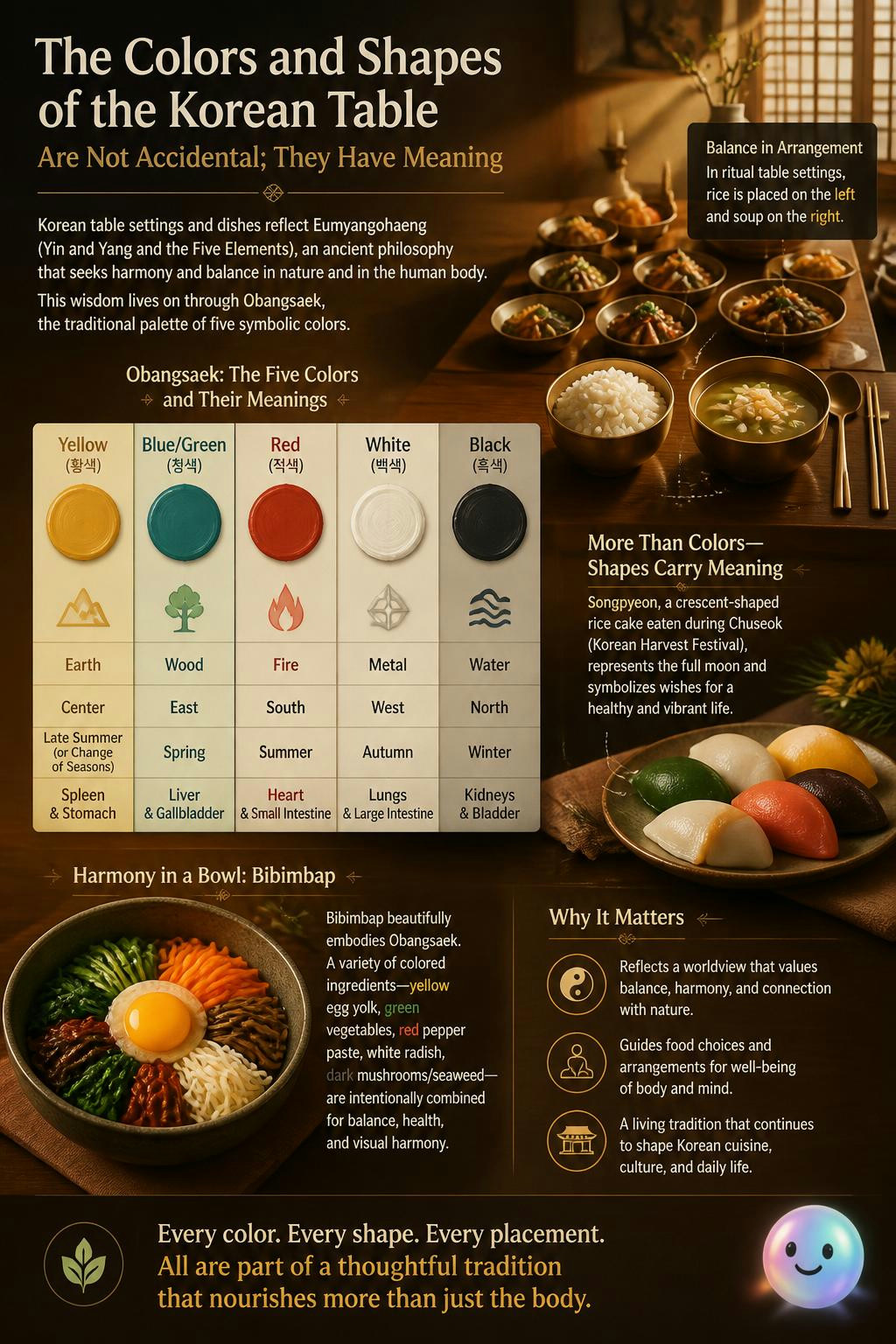
b134340 Explore the philosophy of traditional Korean dining. This infographic reveals how colors and shapes on the table are designed to balance the universe.
Glossary
banchan (noun)
A variety of small, colorful side dishes served at the center of the table for everyone to share. They offer a mix of flavors like spicy, sweet, and salty to complement the main bowl of rice or soup. Think of them like the opening acts of a concert that stay on stage to help the main star shine even brighter.
A variety of small, colorful side dishes served at the center of the table for everyone to share. They offer a mix of flavors like spicy, sweet, and salty to complement the main bowl of rice or soup. Think of them like the opening acts of a concert that stay on stage to help the main star shine even brighter.
Quiz
What is the name of the traditional Korean five-color palette—consisting of red, yellow, green/blue, white, and black—historically used to bring harmony and nutritional balance to a meal?