Profile


b134340 The intense doctoral art training of Takashi Murakami
b134340 Traditional Nihonga painting uses natural minerals and gold leaf.
b134340 Takashi Murakami introduced modern acrylics to traditional Nihonga art.
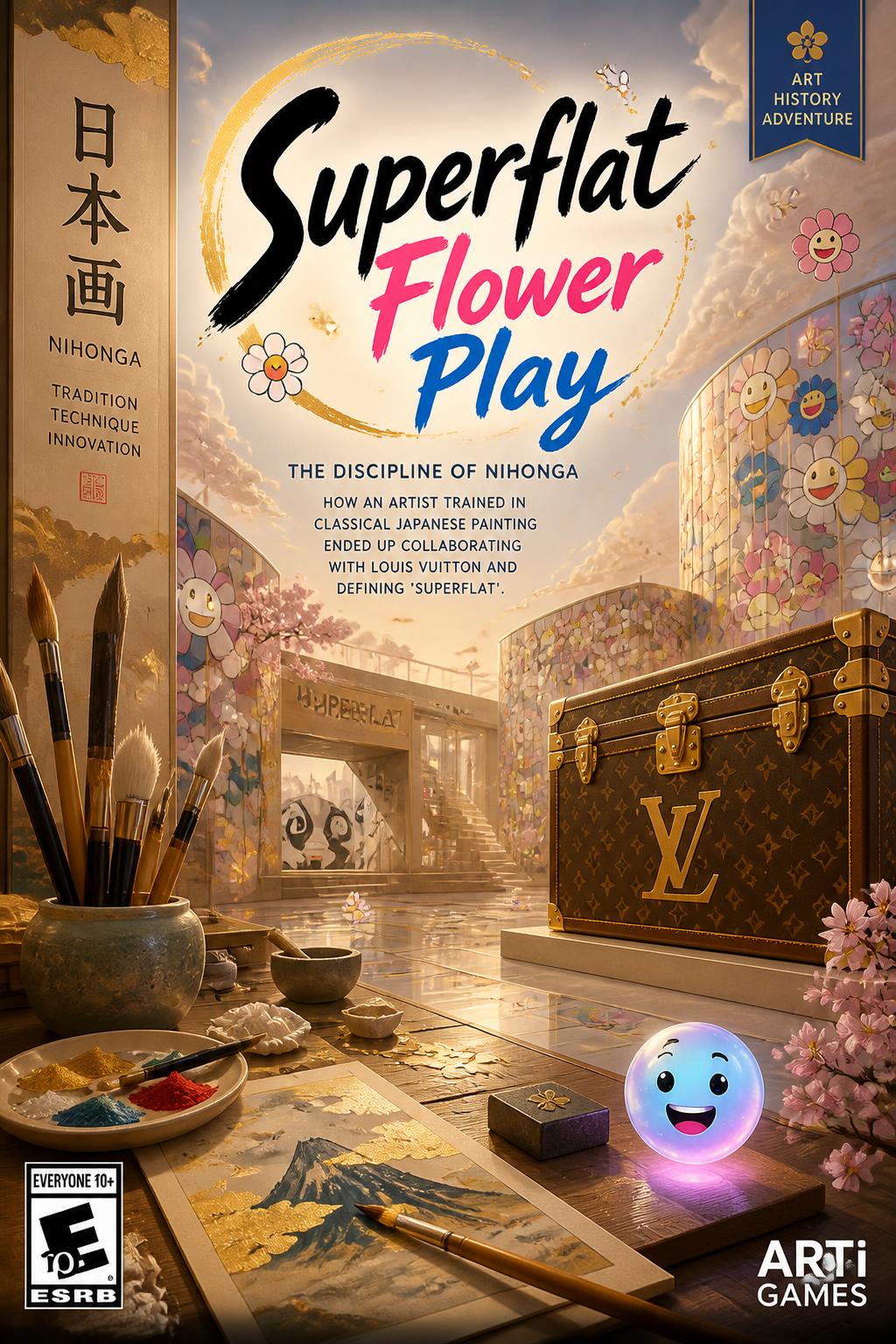
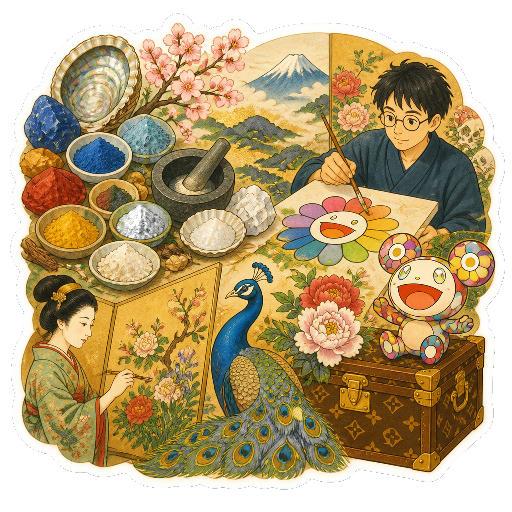
b134340 Match colorful smiling flowers to discover how Murakami blended classical Japanese art with pop culture.
b134340 From Nihonga to Acrylic Paint
No more crushed stone, paint it in acrylics, sand it super flat
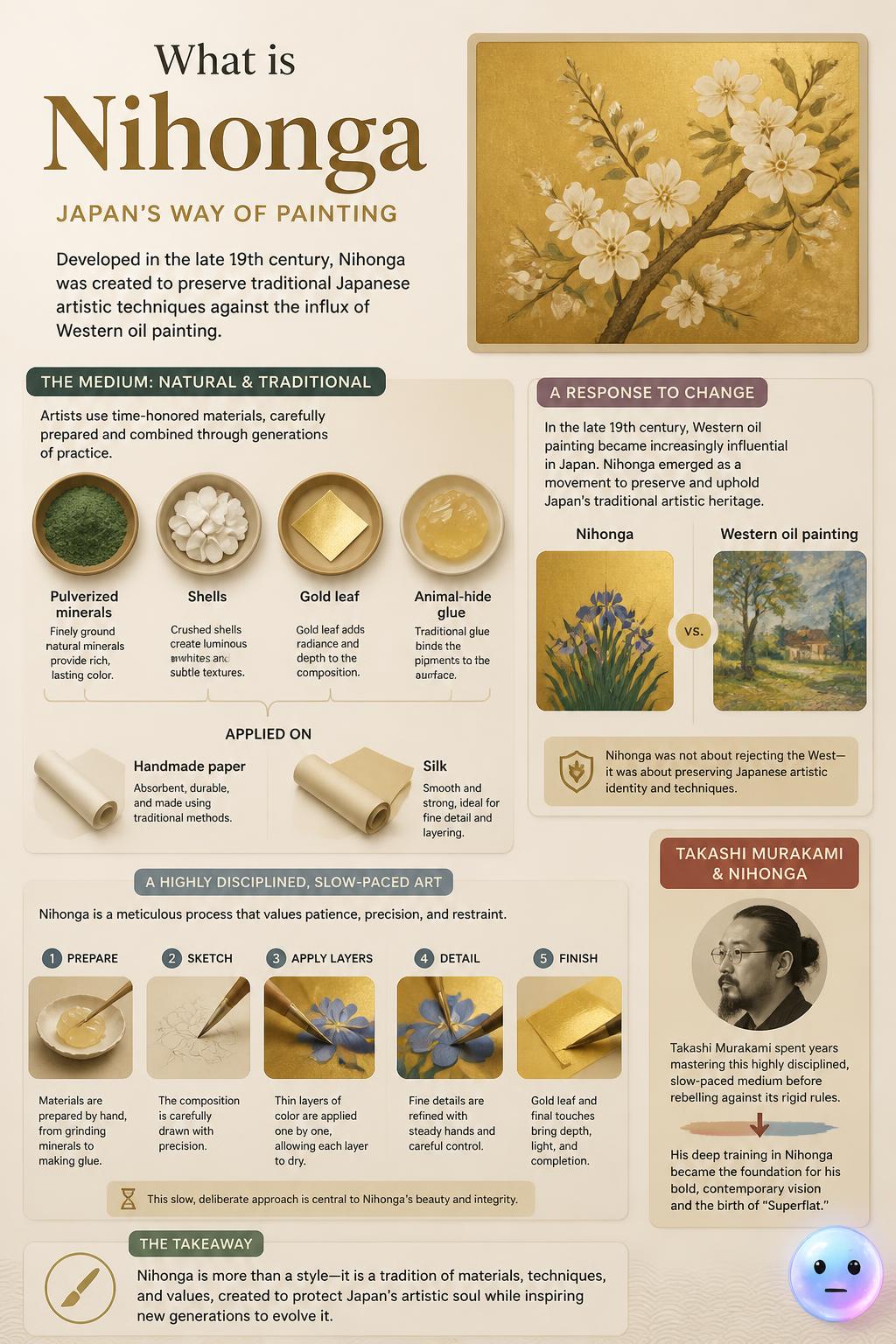
b134340 Takashi Murakami spent years mastering Nihonga, a technique using pulverized minerals, shells, and gold leaf on handmade paper or silk.
Which binding agent is traditionally used in Nihonga painting to hold mineral pigments together?
Why was the Nihonga style of painting originally developed in Japan during the late 19th century?
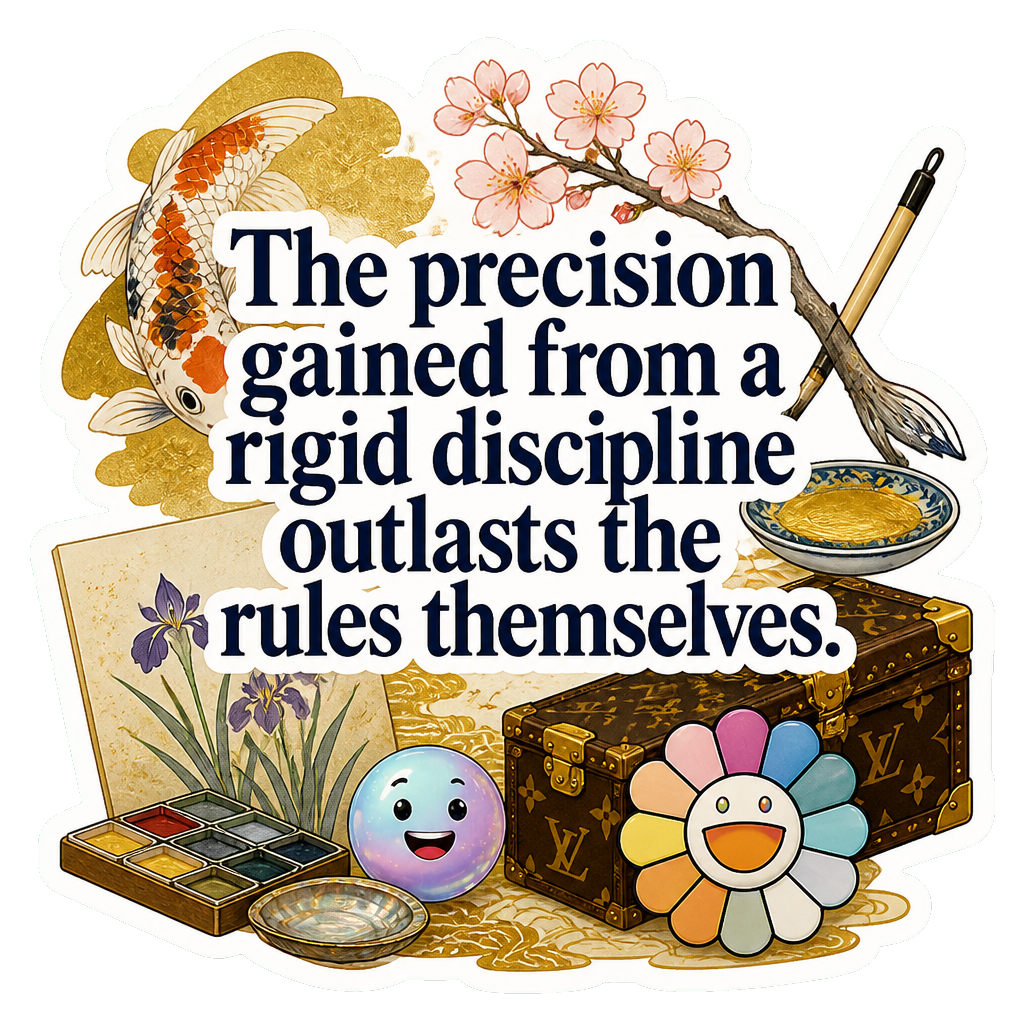

b134340 This grueling academic grind isolated the young artist from vibrant 1990s Tokyo culture
What did the rigorous Nihonga PhD program at Tokyo University of the Arts primarily require students to do?
In which year did Takashi Murakami earn his PhD in Nihonga from the Tokyo University of the Arts?
Nihonga pigments: Traditional Nihonga paint is so natural that some pigments are made from crushed oyster shells and semi-precious gems.
What major criticism did Takashi Murakami have regarding the traditional Nihonga art world?
To which modern phenomenon did Takashi Murakami turn after leaving traditional Nihonga painting behind?
A traditional style of Japanese painting that uses natural pigments and materials on paper or silk. Takashi Murakami earned a doctorate in nihonga from Tokyo University of the Arts in 1993.
What traditional Nihonga materials did Takashi Murakami replace with modern synthetic acrylic paints?
Which modern tool did Takashi Murakami adopt to achieve flawlessly smooth color gradients on his canvases?
Would you spend years mastering an ancient art style?
b134340 El origen y la creación del famoso personaje artístico Mr. DOB
b134340 La reveladora estancia de Takashi Murakami en Nueva York
b134340 La rebelión de Takashi Murakami contra el arte tradicional japonés
b134340 La técnica y los materiales de la pintura tradicional Nihonga
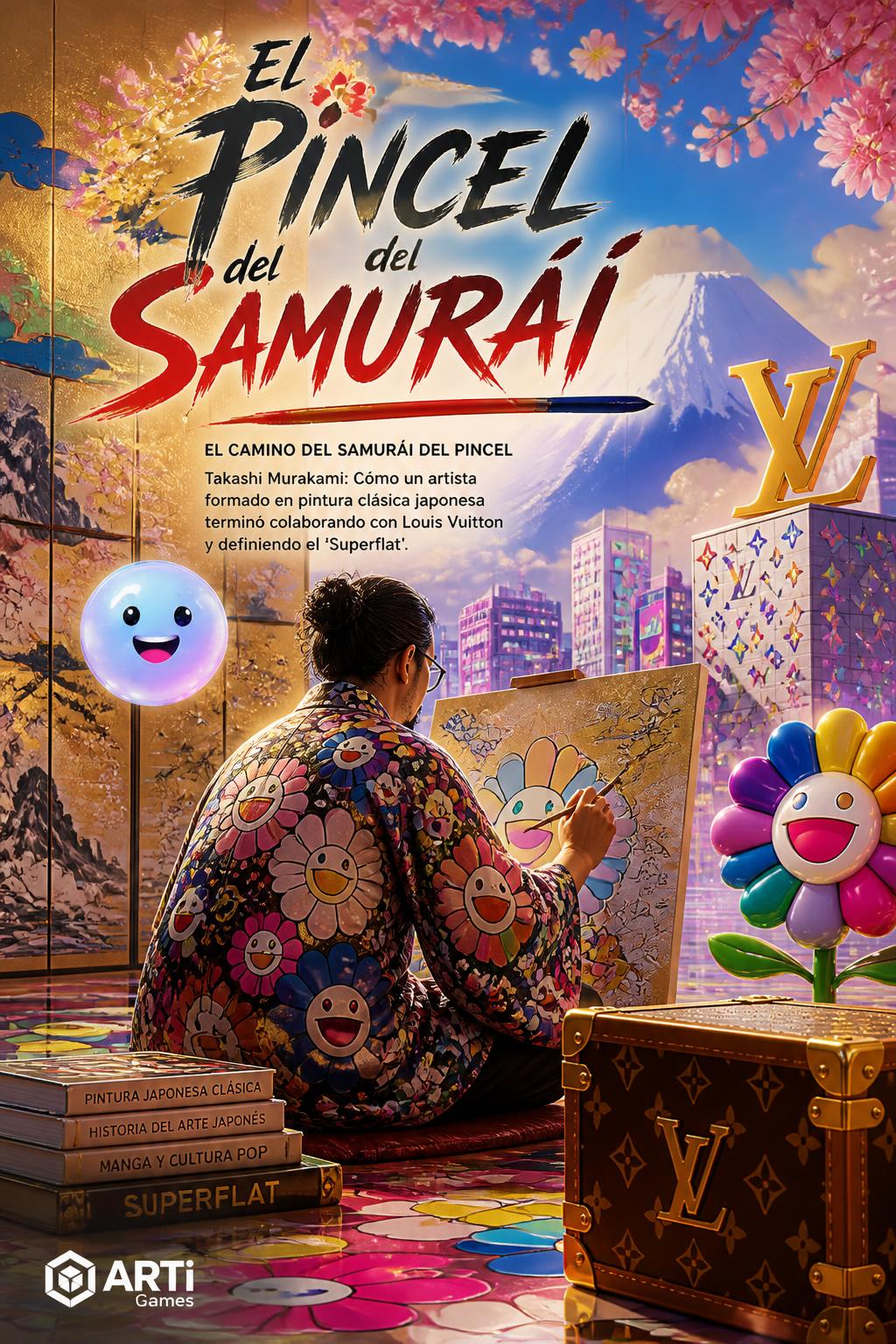
b134340 Combina trazos tradicionales y modernos para descubrir cómo la pintura clásica inspiró el estilo Superflat.
b134340 Viaje a Nueva York
¡En Nueva York se encendió la chispa: fusionar el manga con el arte clásico en un lienzo superplano!
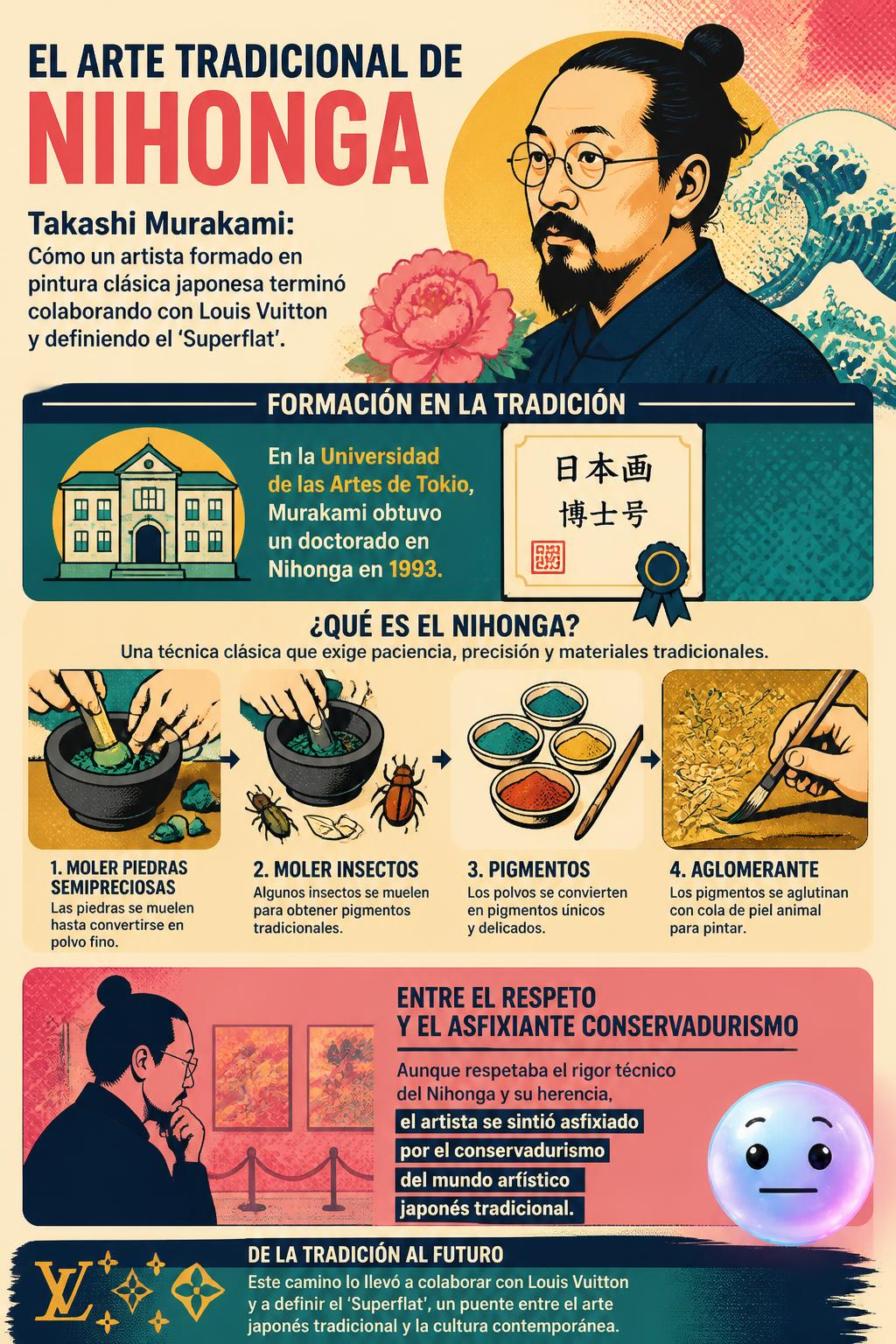
b134340 En la Universidad de las Artes de Tokio, Murakami dominó el Nihonga con cola animal, aunque su conservadurismo
¿En qué técnica artística tradicional japonesa se doctoró Takashi Murakami en 1993?
¿Qué ingrediente tradicional se utiliza como aglutinante en la pintura Nihonga que estudió Takashi Murakami?

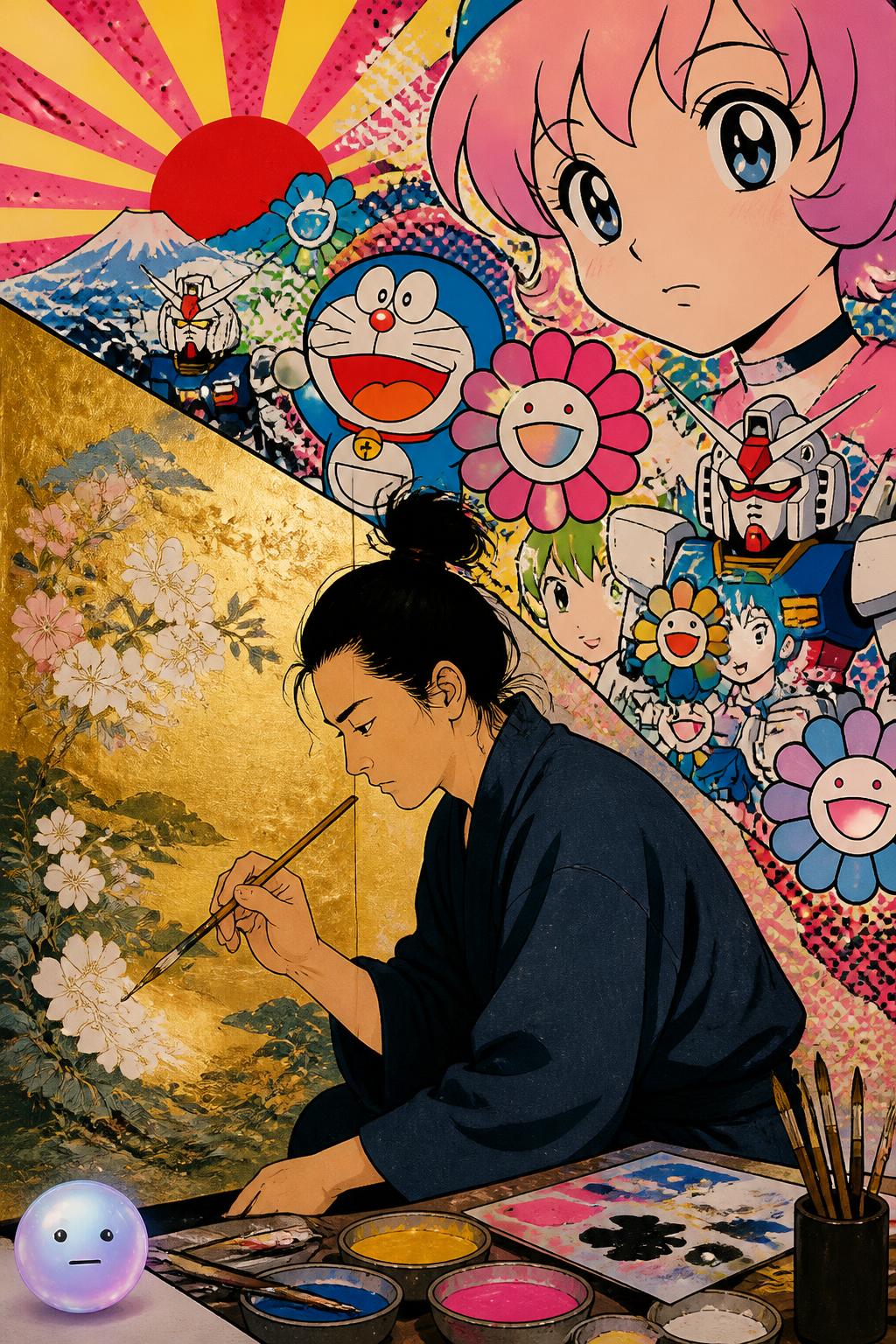
b134340 Este rechazo a las normas académicas dio origen a su icónico estilo Superflat
¿Por qué decidió Takashi Murakami alejarse del camino tradicional de la pintura Nihonga?
¿Qué elementos de la cultura popular japonesa integró Takashi Murakami para desafiar al arte clásico?
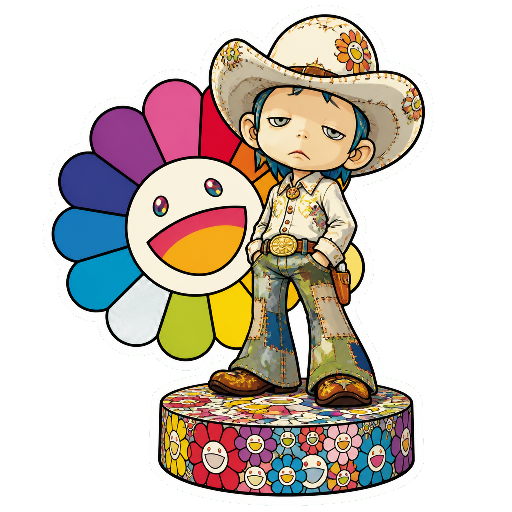
Precios de récord: En 2008, la escultura 'My Lonesome Cowboy' de Takashi Murakami se vendió en Sotheby's por la cifra récord de 15,1 millones de dólares.
¿En qué año debutó por primera vez el famoso personaje Mr. DOB creado por Takashi Murakami?
¿Qué significa la palabra 'dobojite', de la cual deriva el nombre del personaje Mr. DOB de Takashi Murakami?
Estilo de pintura tradicional japonesa caracterizado por el uso de pigmentos naturales sobre papel o seda. Takashi Murakami se doctoró en esta especialidad en la Universidad de las Artes de Tokio en 1993.
¿En qué ciudad residió Takashi Murakami en 1994 gracias a una beca artística que cambió su perspectiva?
¿Qué artista occidental inspiró a Takashi Murakami a pensar en el arte como una marca global durante su estancia en Nueva York?
¿Qué prefieres aprender a dominar?
b134340 Crazy to think Bauhaus was actually born to rebuild society after WWI.
The Bauhaus concept of a 'total work of art' uniting fine artists and craftsmen. It matters because it proved everyday objects, like lamps or chairs, could be both highly functional and beautiful.
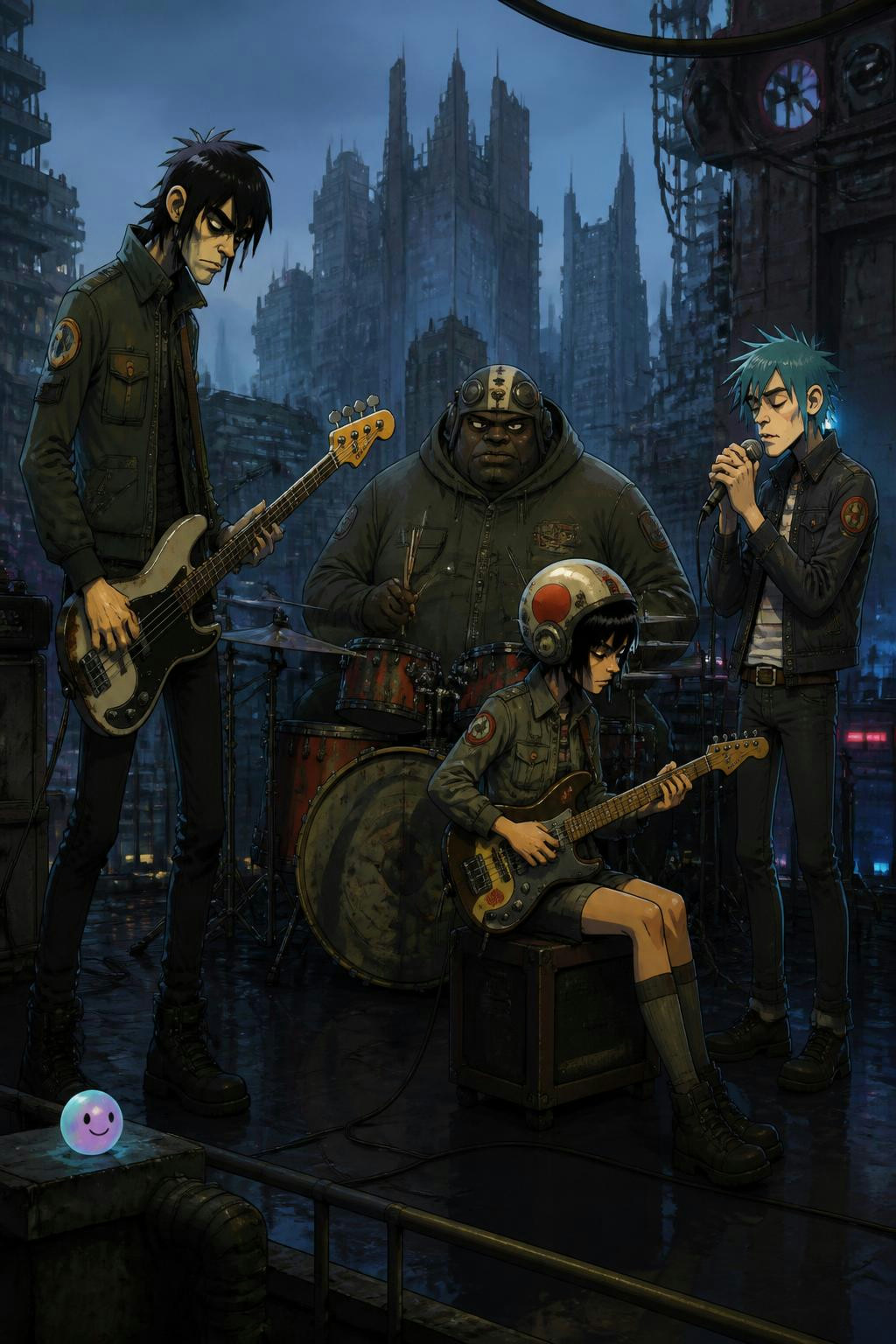
b134340 Descubre la curiosa historia ficticia de cómo la guitarrista Noodle llegó desde Japón a la puerta de Gorillaz dentro de una caja de envío de FedEx.

b134340 Descubre cómo cada personaje de BT21, como el koala Koya de RM, refleja la verdadera personalidad y esencia de su creador de BTS.

b134340 Descubre cómo los integrantes de BTS diseñaron a los personajes de BT21 para reflejar sus propias personalidades, como el curioso Tata creado por V.

b134340 Discover the design concept behind V's solo album Layover, created to evoke the nostalgic feel of a classic jazz record.
b134340 Layover de V
V con "Layover" rompió un récord sin igual, con ritmos R&B y jazz, ¡fue fenomenal!
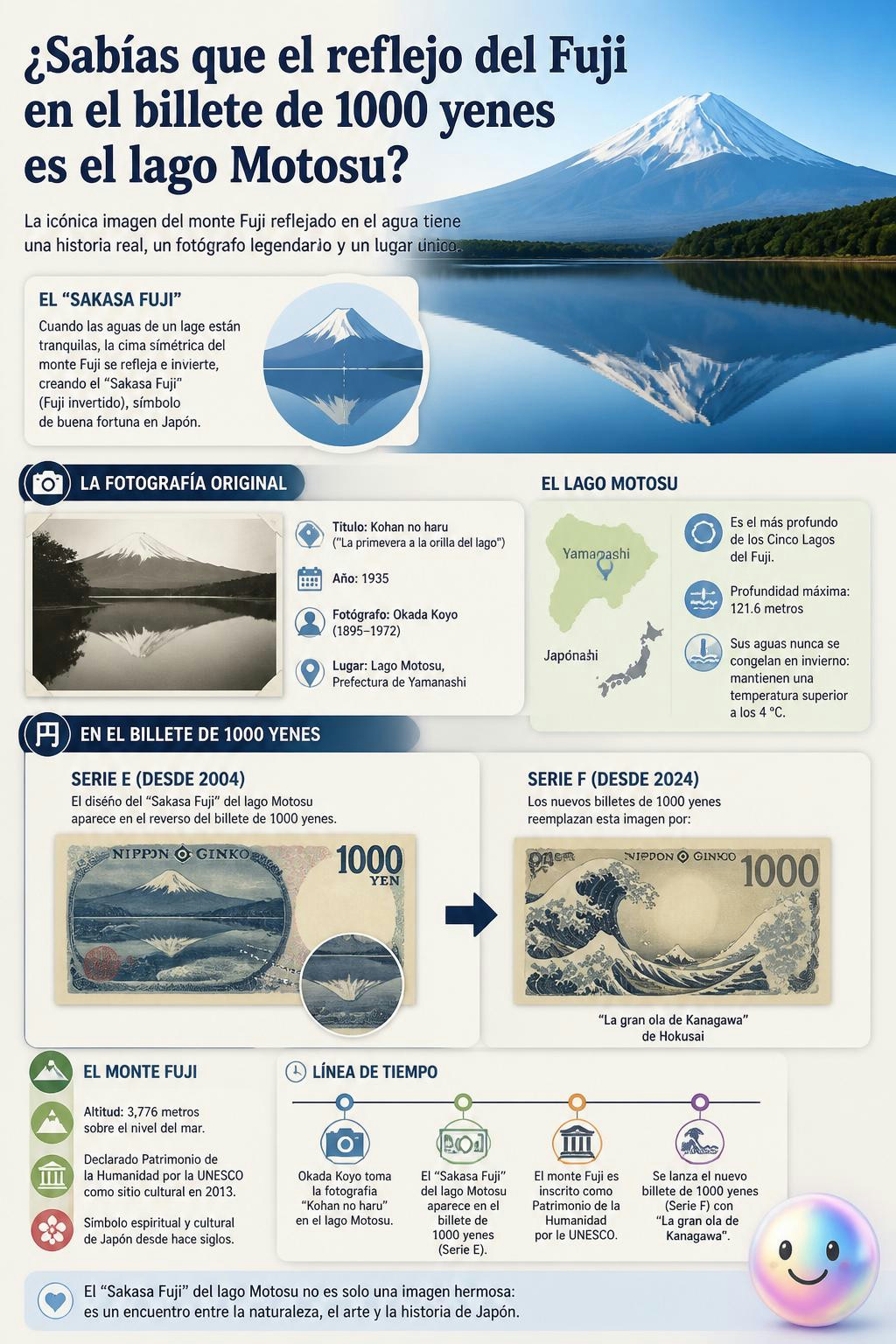
b134340 Descubre qué lago real inspiró la famosa imagen del monte Fuji reflejado en el agua que aparece en el billete de 1000 yenes de Japón.
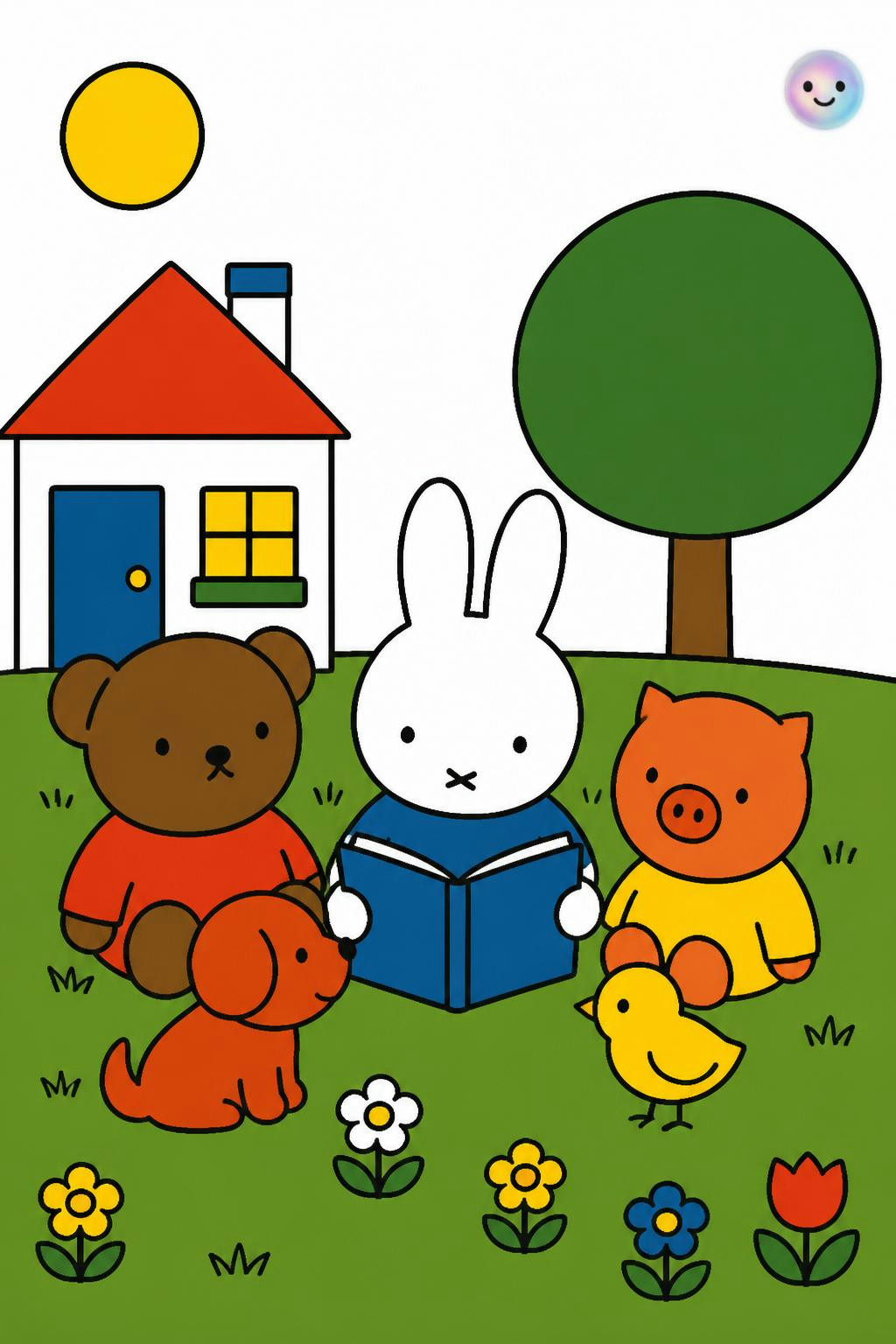
b134340 Explora Egmond aan Zee bajo la lluvia, el pueblo costero de Países Bajos donde un conejito real en las dunas inspiró la creación de Miffy.

b134340 Play the Joonie Dice game to explore and learn the most iconic quotes from BTS leader Kim Namjoon. A fun educational game for fans.
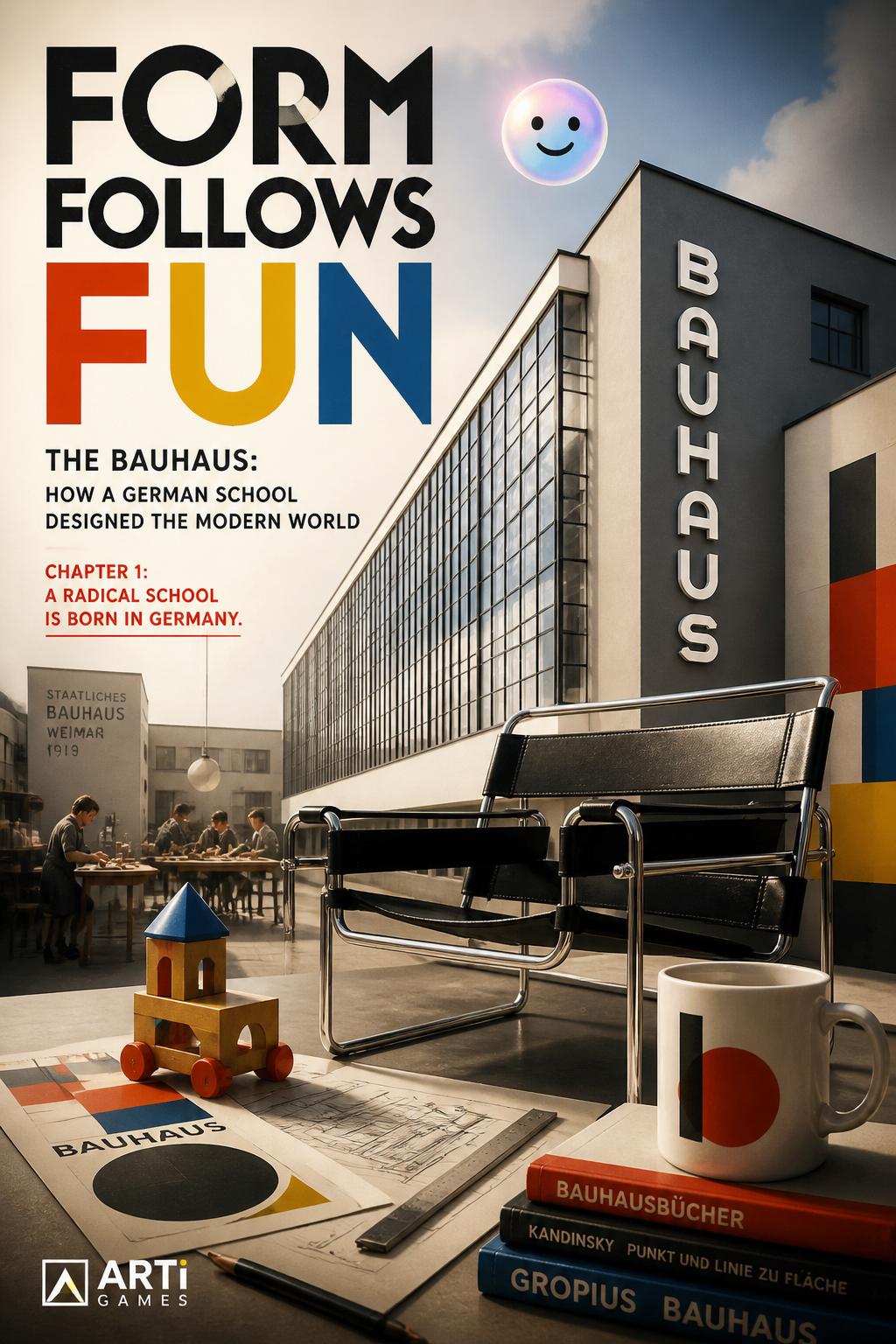
b134340 Diseña estructuras únicas para descubrir cómo la forma sigue a la diversión.

b134340 Descubre cómo el estilo Bauhaus de Walter Gropius revolucionó el diseño al eliminar adornos y hacer que la belleza dependa de la función del objeto.
b134340 The Origin of Miffy
Dick Bruna, Dutch artist, Saw a bunny on holiday, Miffy was born that day!
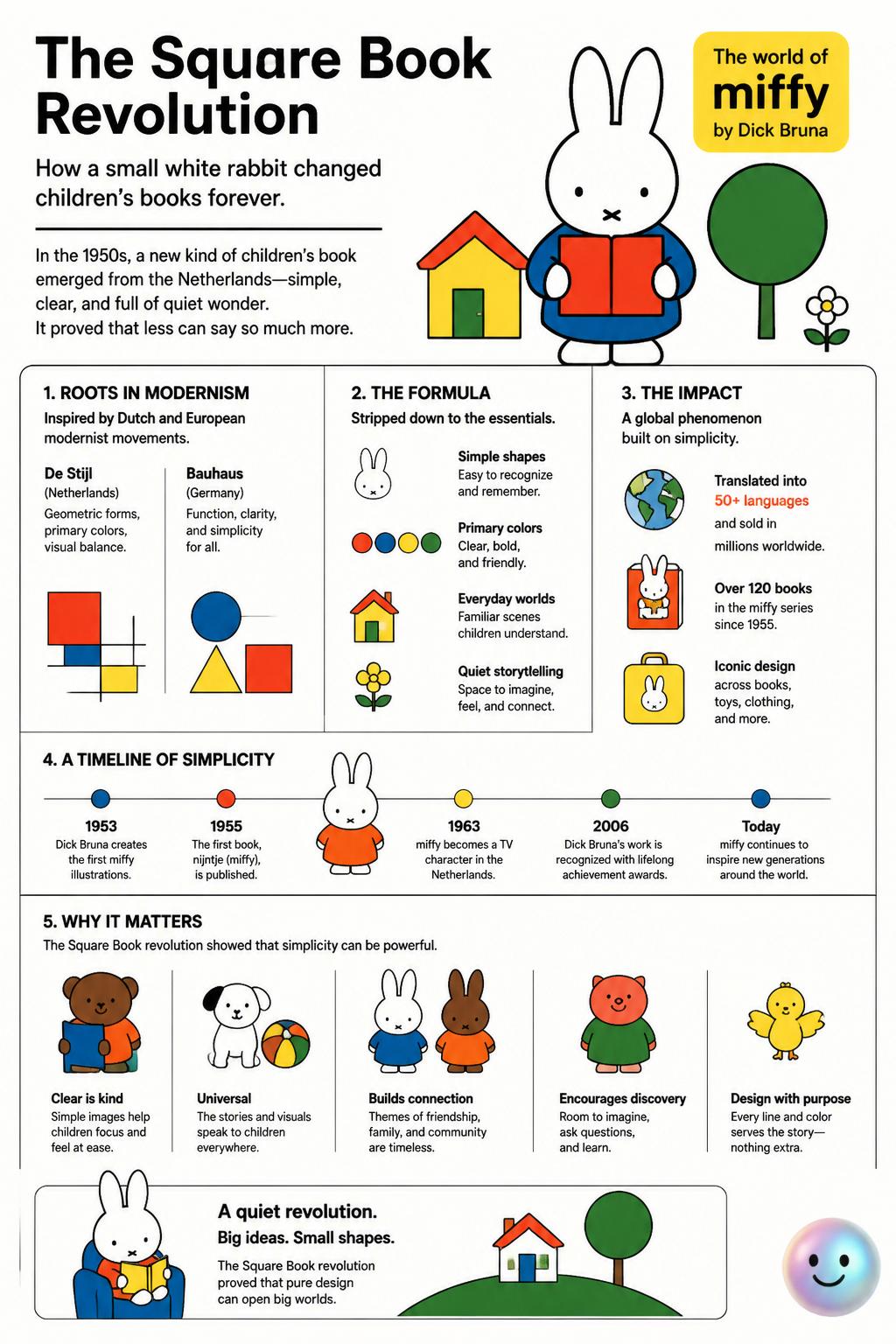
b134340 Bruna designed small, square books so toddlers could easily hold and control them.
Miffy's name: The original Dutch name Nijntje is a cute shortening of 'konijntje,' which simply means little rabbit.

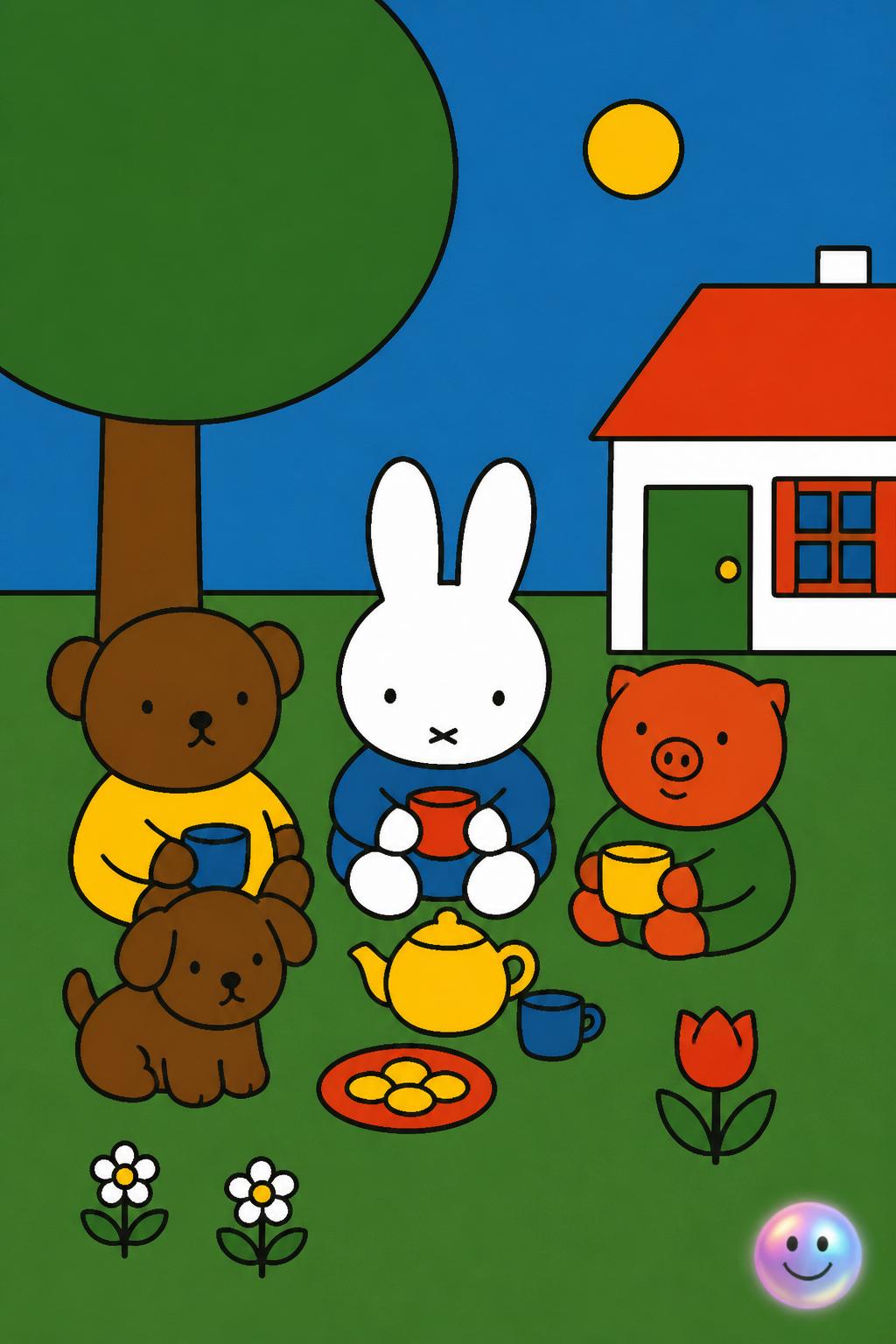
b134340 View the transition from Nijntje to Miffy. Discover illustrations of these iconic book characters and friends in this featured image.
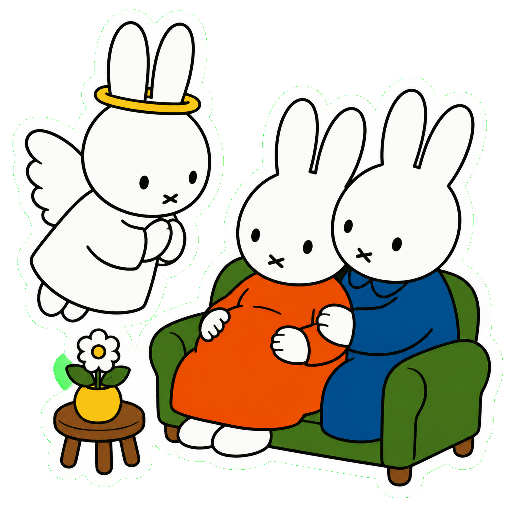
Easily offended or touchy. In the 1955 debut book, an angel visits the expectant parents to announce this character's arrival.
What specific shape did Dick Bruna choose for all his Miffy books to make them easy for toddlers to hold?