Why does the proposed bioartificial kidney not require immunosuppressive drugs?
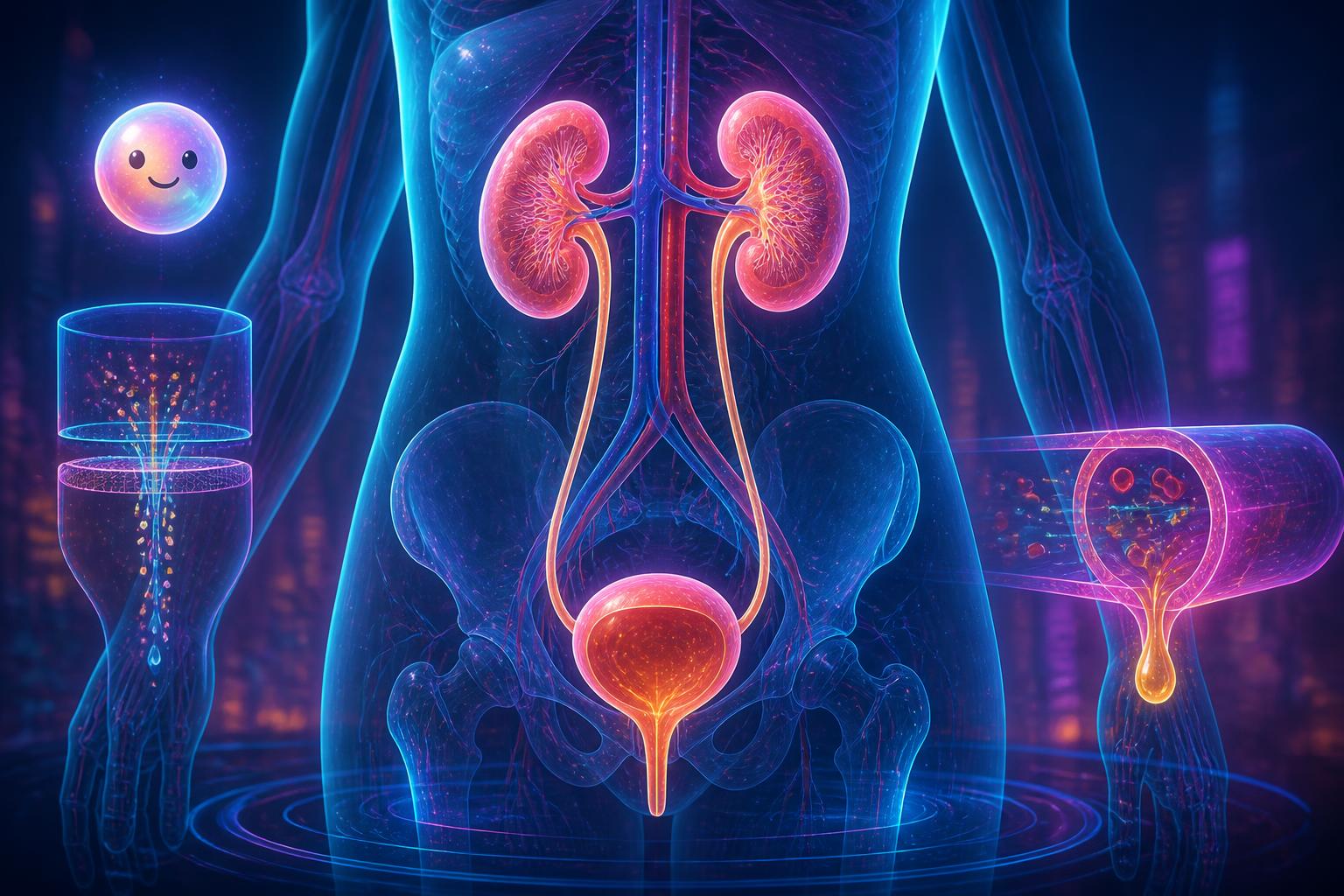
The microscopic marvels of filtration
The plumbing and storage system
History and global medicine
Balance, hydration, and survival

artiteacher In 1943, Kolff built a dialysis machine using sausage casings to filter waste from a patient's blood.

artiteacher Sort historical medical tools to learn how ancient civilizations treated kidney diseases.
artiteacher History and global medicine
Forty times a day, forty times a day, filtering it all, washing waste away!
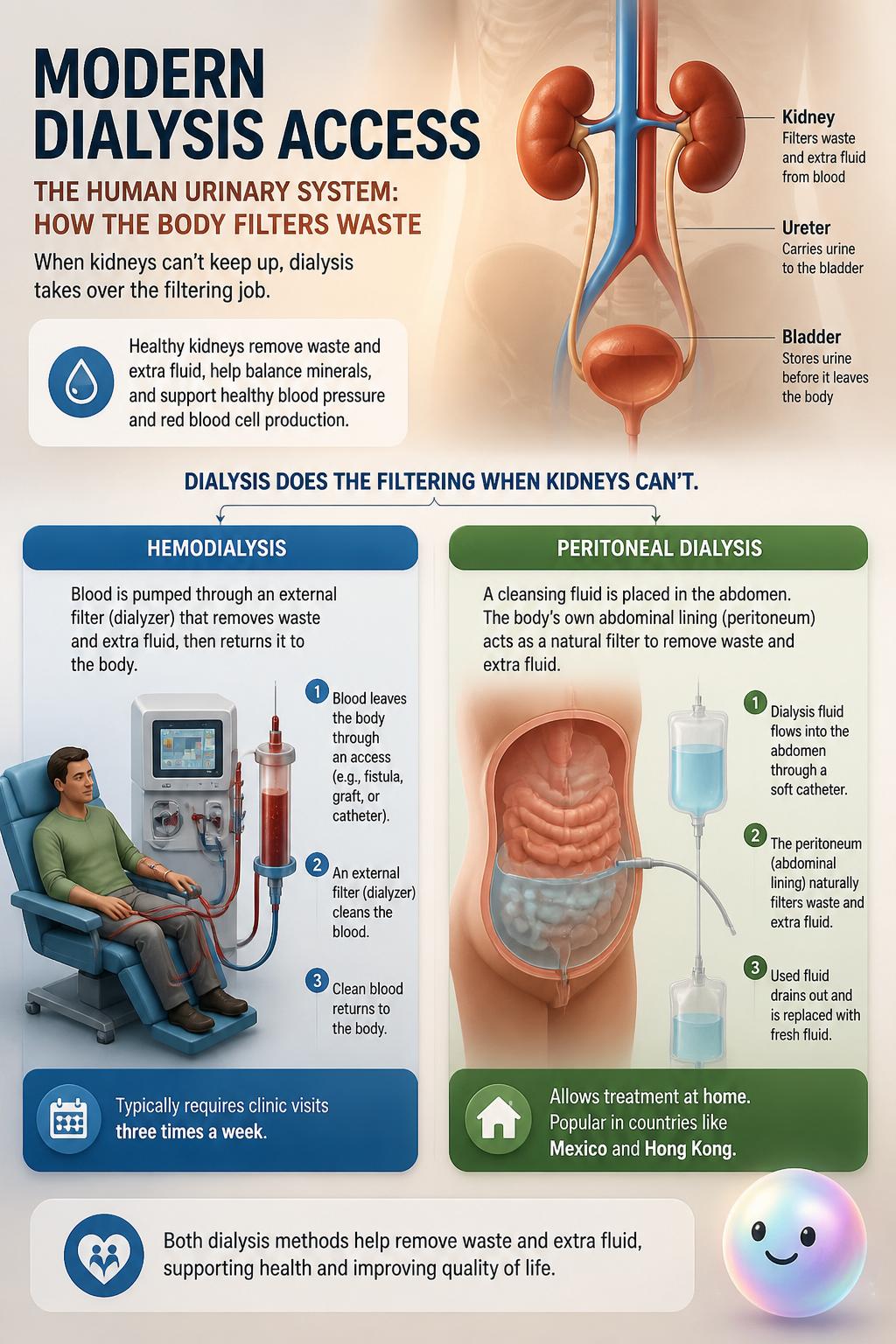
artiteacher Hemodialysis and peritoneal dialysis offer two distinct global methods for filtering blood outside the body.
Ancient taste tests: Ancient doctors actually tasted urine to diagnose diabetes, noting if it was sweet enough to attract ants.
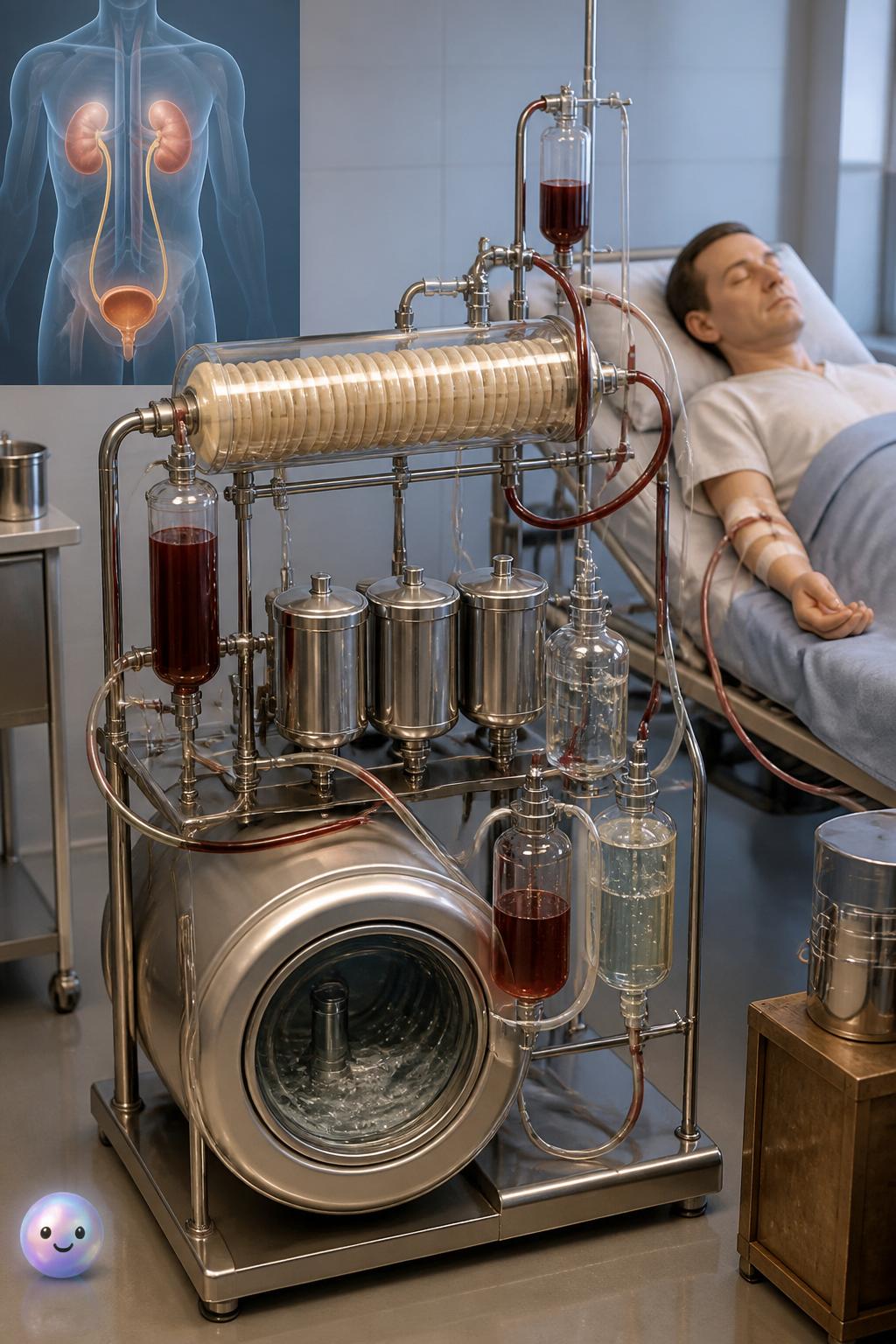
artiteacher Dutch physician Willem Kolff invented the first working artificial kidney during World War II.
The diagnostic examination of a patient's urine, typically through visual inspection. By the Middle Ages, European physicians routinely used specialized wheel charts to analyze urine color and sediment.
In what year did researchers at UCSF successfully test a prototype bioartificial kidney?
How often does a patient undergoing standard hemodialysis typically need to visit a clinic?
What everyday household item did Willem Kolff use to build the first working artificial kidney in 1943?
Which country or region is known for a high rate of home-based peritoneal dialysis?
Why does the proposed bioartificial kidney not require immunosuppressive drugs?
What was the ancient medical practice of diagnosing diseases by examining urine called?