Fun Fact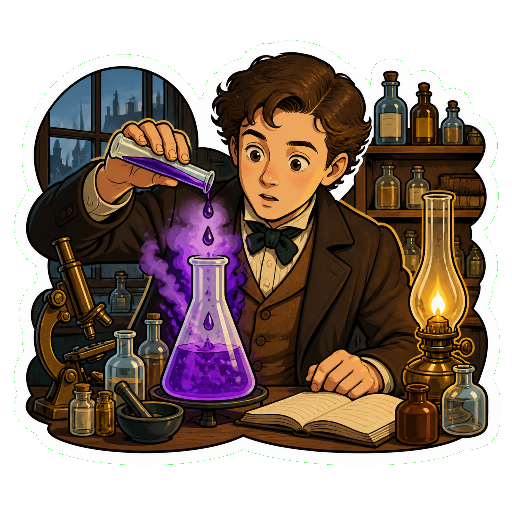
Accidental Purple: In 1856, a teen chemist trying to cure malaria accidentally turned black coal tar waste into the world's first synthetic purple, once reserved only for royalty!
YOUR GOAL
Master of The secret life of crayons
Accidental Purple: In 1856, a teen chemist trying to cure malaria accidentally turned black coal tar waste into the world's first synthetic purple, once reserved only for royalty!
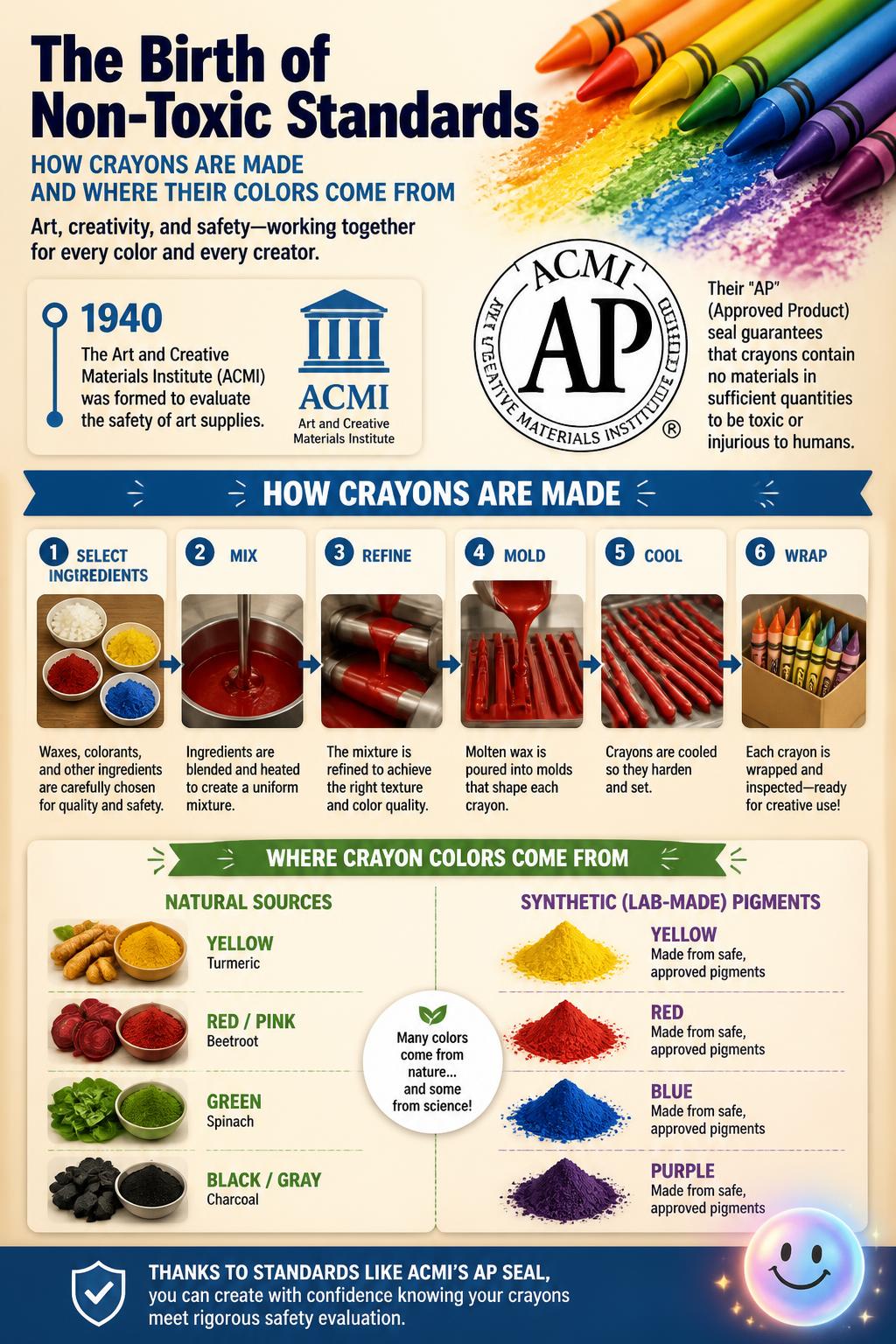
misslily Strict safety certifications ensure that modern art supplies are safe to accidentally eat.
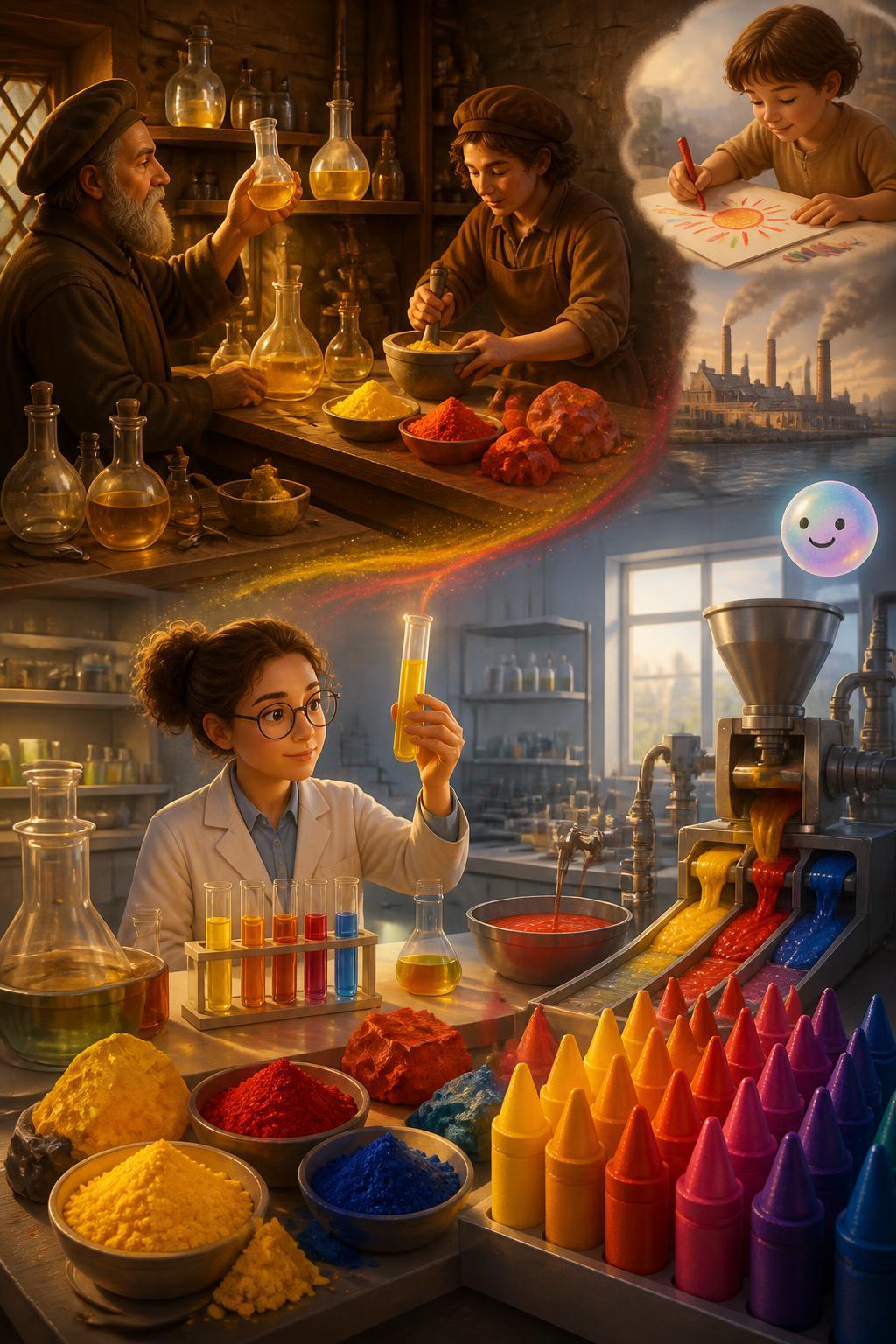
misslily Modern chemistry replaced toxic mineral ingredients with safe synthetic alternatives.
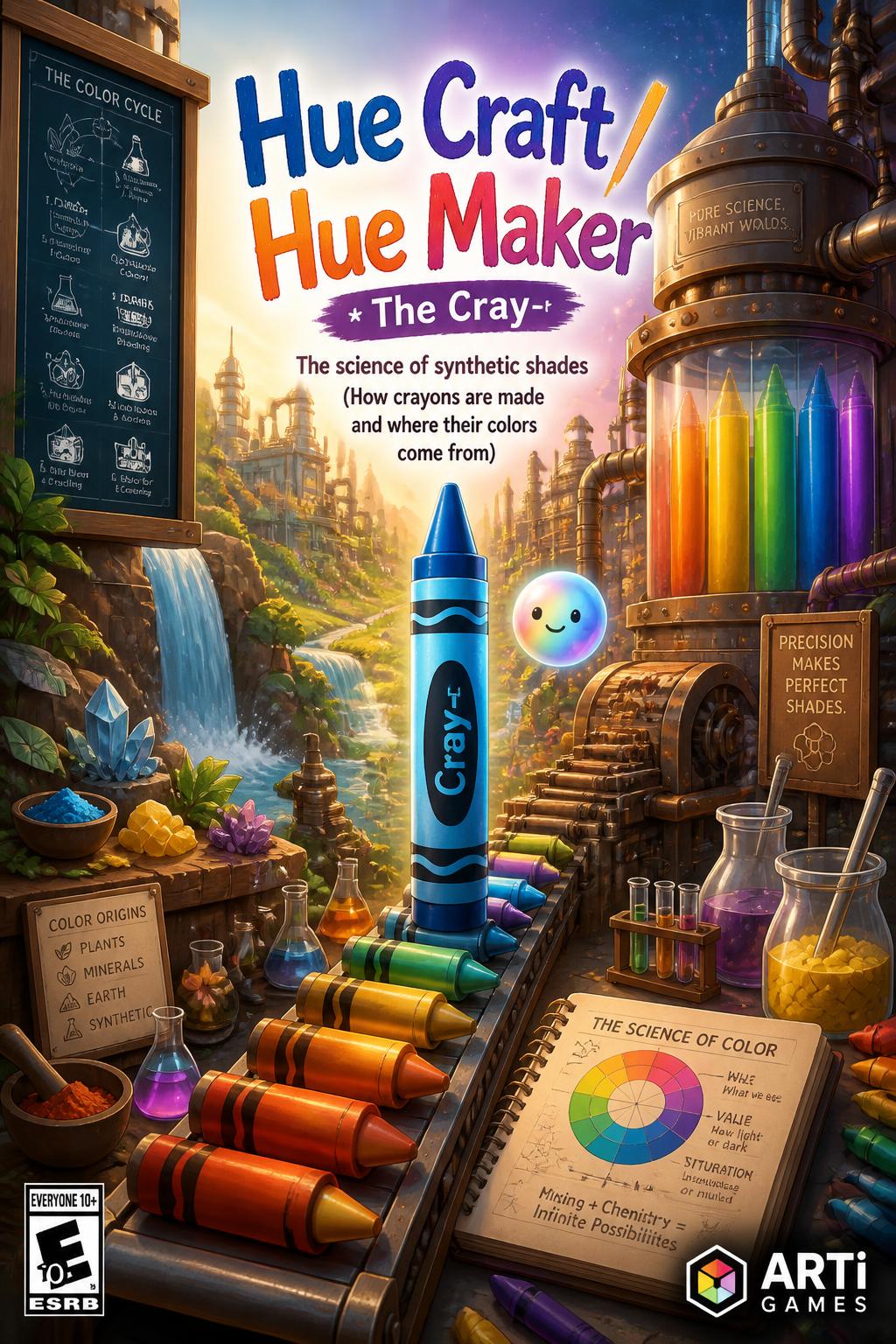
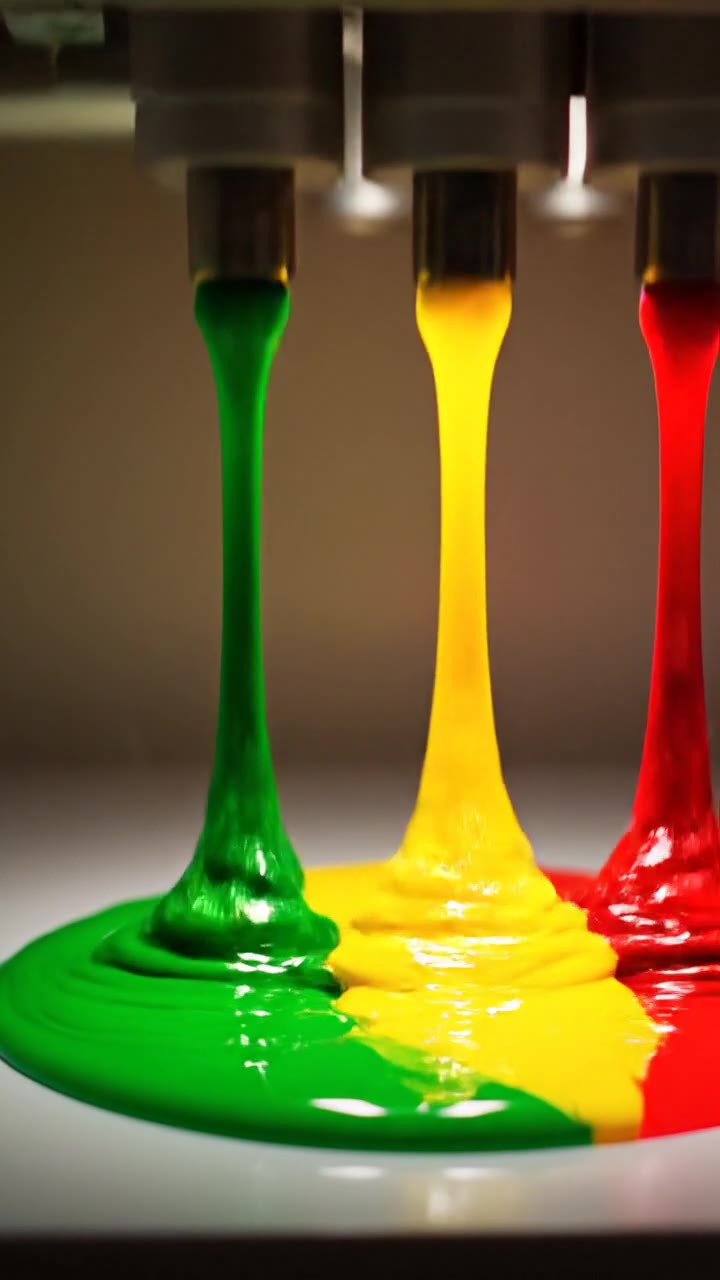
misslily Blend raw pigments into liquid wax to discover where crayon colors come from.
Accidental wealth: William Perkin became incredibly wealthy by age 21 after patenting mauveine, the first synthetic dye, which he invented by accident.
What chemical property of paraffin wax makes it ideal for holding pigment on paper?
Which organization is responsible for testing and certifying that art materials are non-toxic?
Which toxic heavy metal was historically used to make bright yellow crayons before safety bans?
What industrial waste byproduct of gas lighting was used to create the first synthetic dyes?
Why are synthetic pigments preferred over natural pigments in modern commercial crayon manufacturing?