
BETA
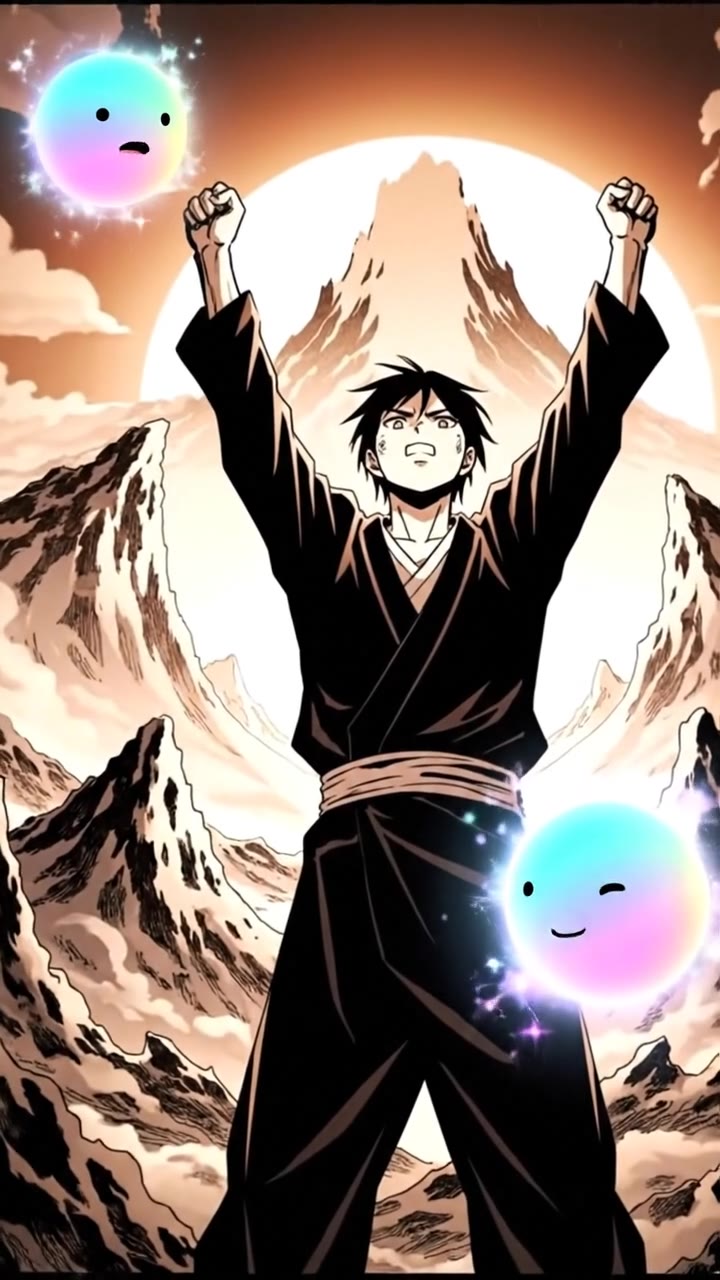
Unlike Western comics that often use rigid grids, manga utilizes diagonal panel borders, borderless panels, and bleeding images that spill off the page. In action scenes, jagged panels accelerate the reading pace, while large, open splash pages freeze moments to create emotional weight.

yuki Manga artists manipulate the size and shape of panels to speed up or slow down a reader's perception of time.
Manga eyes: The white glint inside a manga character's giant eyes represents the reflection of light, a visual trick borrowed directly from classic doll-making.

yuki Manga uses a unique set of visual symbols, from giant sweat drops to nosebleeds, to represent specific emotional states.
In manga visual shorthand, what does a giant sweat drop behind a character's head represent?
What physical reaction is commonly used in manga to depict a character's romantic excitement?