
BETA
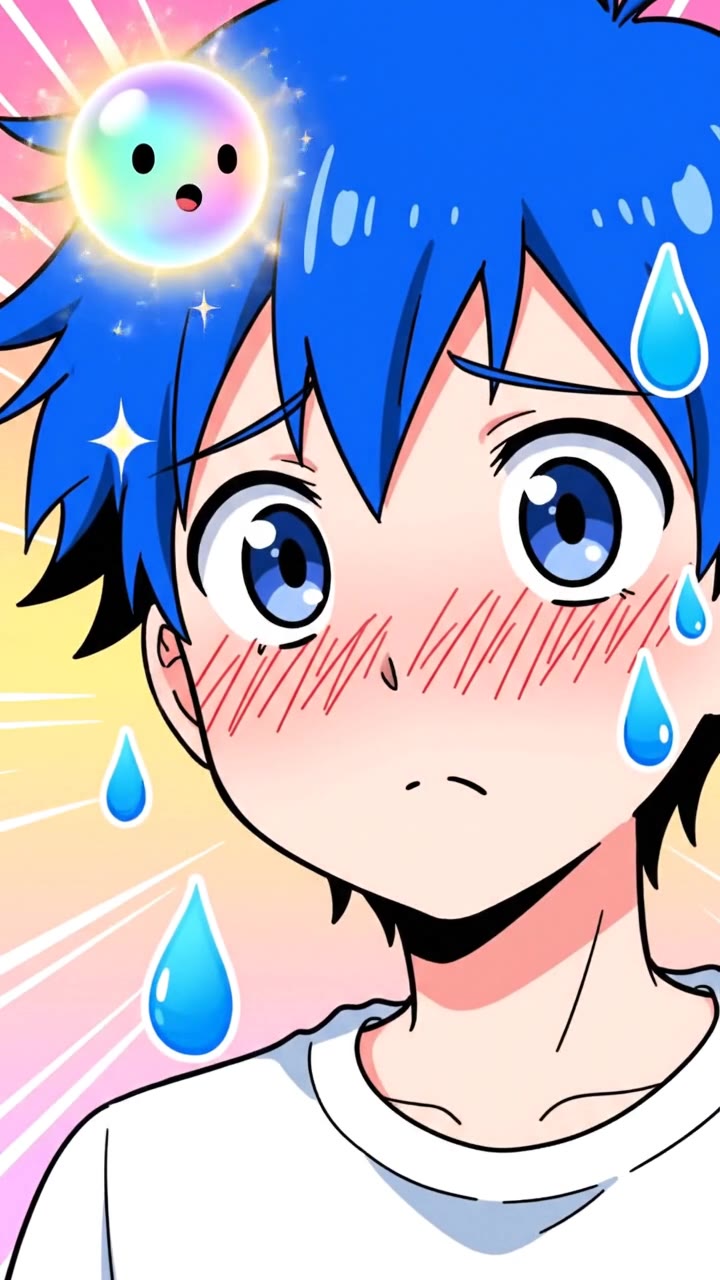
Manga developed a standardized shorthand of visual icons: a giant sweat drop behind the head indicates embarrassment, a nosebleed represents romantic excitement, and popping veins symbolize anger. These symbols allow readers to decode a character's inner state in a fraction of a second.

yuki Manga artists manipulate the size and shape of panels to speed up or slow down a reader's perception of time.
Manga eyes: The white glint inside a manga character's giant eyes represents the reflection of light, a visual trick borrowed directly from classic doll-making.

yuki Manga uses a unique set of visual symbols, from giant sweat drops to nosebleeds, to represent specific emotional states.
In manga visual shorthand, what does a giant sweat drop behind a character's head represent?
What physical reaction is commonly used in manga to depict a character's romantic excitement?