

BETA
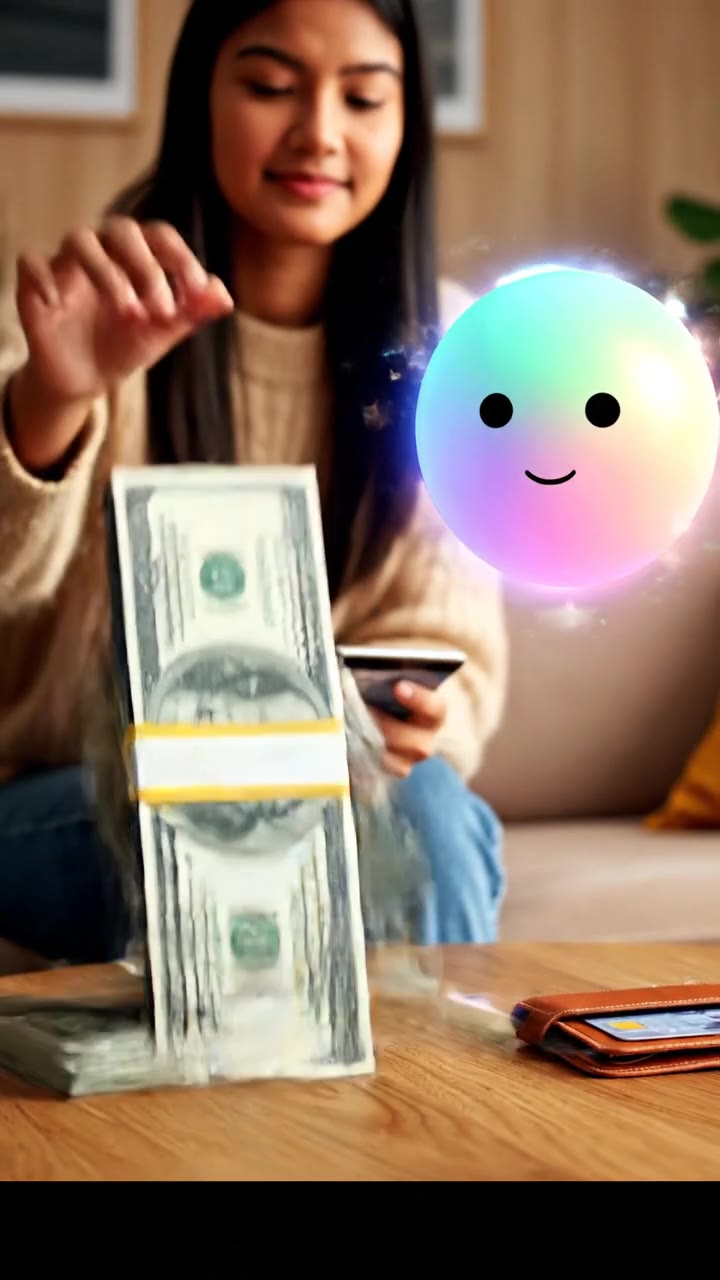
Coining the term in 1914, Austrian economist Friedrich von Wieser defined opportunity cost to remind us that spending $100 on a video game today means giving up the $100 (plus potential interest) you could have used for a concert ticket next month.
nic Smart spending and conscious consumerism
Fifty, thirty, twenty, yeah! Your money flow, you gotta know! Fifty for needs, then watch your savings grow!

nic Comparing the price per unit of measurement reveals the true cost of grocery store items.
Supermarket layout secrets: Grocery stores purposely place milk and eggs at the very back of the store to force shoppers to walk past hundreds of tempting impulse buys.

nic Waiting a full day before buying non-essential items helps separate emotional wants from actual needs.
If a 12-ounce cereal box costs $6.00 and a 16-ounce box costs $7.20, which is the better deal based on unit price?
Why do grocery stores typically place essential items like milk and eggs at the very back of the store?
What biological chemical is released in the brain during an impulse purchase, creating a temporary 'high'?
What label information should you look at to find the true value of grocery items regardless of package size?