
BETA
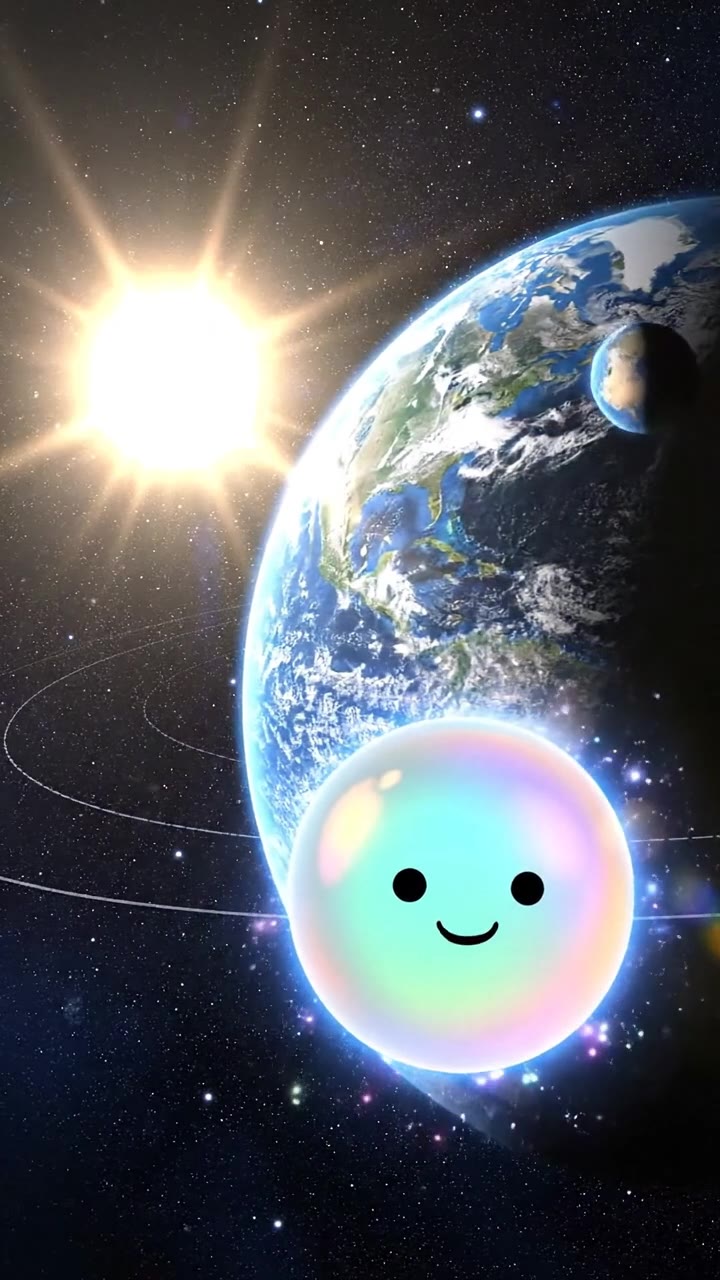
As Earth orbits the Sun, its rotational axis remains tilted at an angle of 23.5 degrees relative to its orbital plane. During the June solstice, the Northern Hemisphere tilts toward the Sun, experiencing its longest day of the year. Conversely, the December solstice marks the longest night for the North and the peak of summer for the South.
futura Earth Orbit Calendar
The Earth spins 'round the Sun, you see, (Oh-oh, not perfectly!) Five hours and forty-eight more, (Yeah-yeah, that's what calendars are for!)
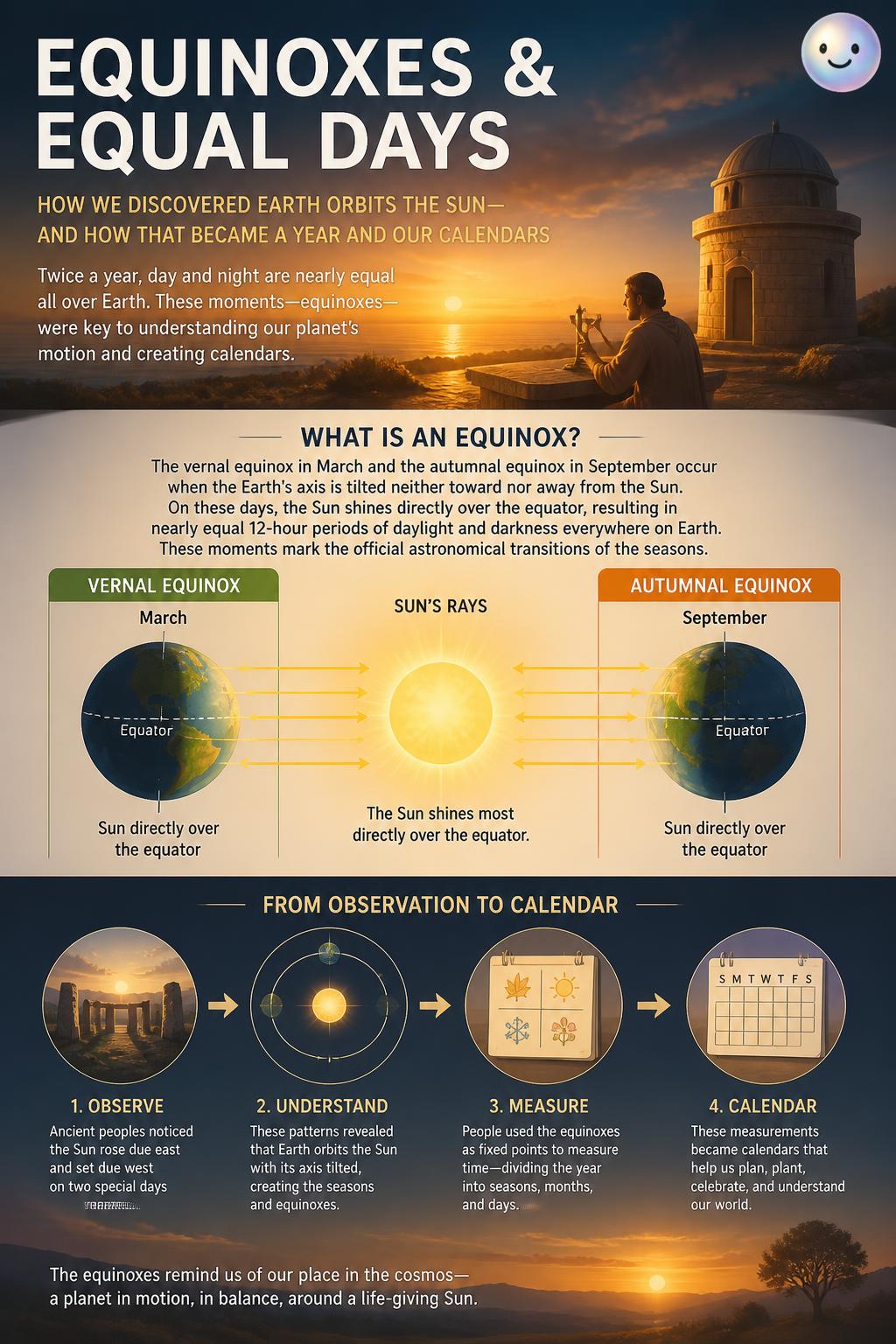
futura Twice a year, the Earth's tilt aligns perfectly with the Sun, producing equal day and night worldwide.
Earth's speeding orbit: Earth travels around the Sun at a blistering speed of about 67,000 miles per hour.

futura Earth's axial tilt of 23.5 degrees causes the changing seasons and the extreme days of the solstices.