
BETA
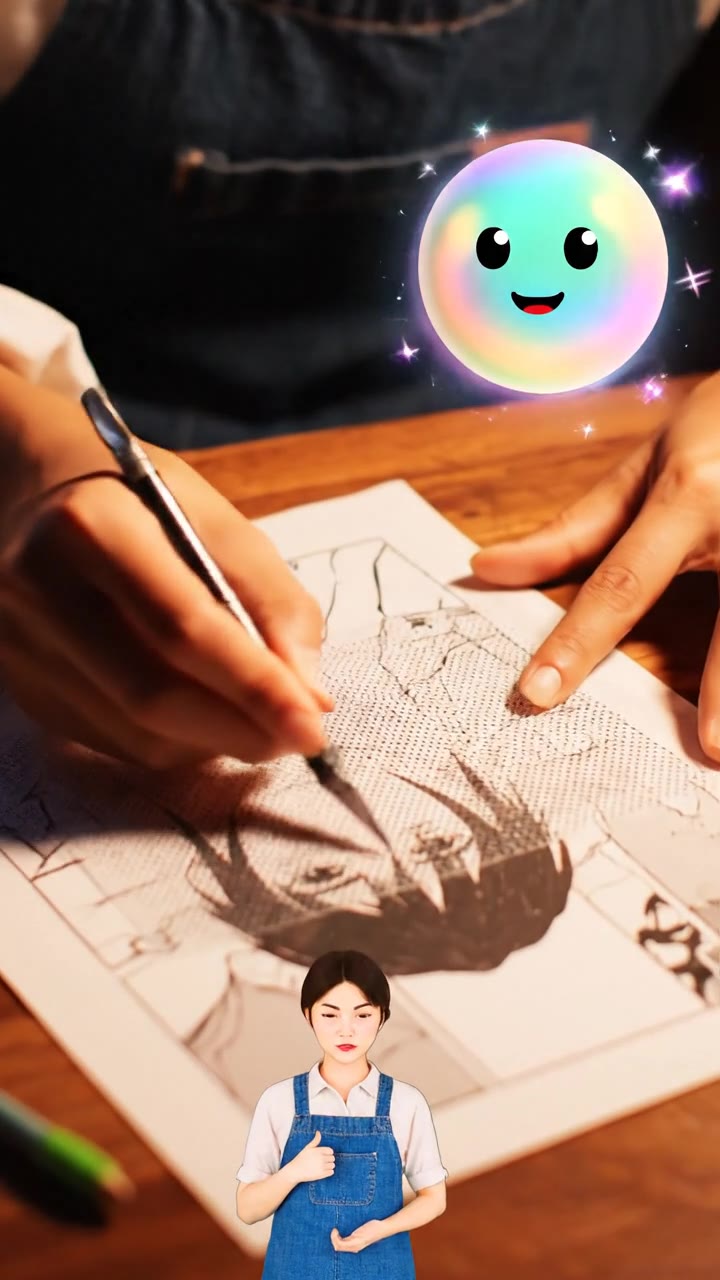
Because most manga is printed in black and white, artists traditionally used screentone—clear adhesive sheets printed with dot patterns, gradients, and textures. By cutting and scraping these sheets onto the paper, artists could cheaply create depth, clothing patterns, and dramatic lighting without expensive color printing.

yuki Manga artists manipulate the size and shape of panels to speed up or slow down a reader's perception of time.
Manga eyes: The white glint inside a manga character's giant eyes represents the reflection of light, a visual trick borrowed directly from classic doll-making.

yuki Manga uses a unique set of visual symbols, from giant sweat drops to nosebleeds, to represent specific emotional states.
In manga visual shorthand, what does a giant sweat drop behind a character's head represent?
What physical reaction is commonly used in manga to depict a character's romantic excitement?